

Caring for a diabetic dog can feel overwhelming at first. Still, the right food choices make a huge difference. Many pet owners unknowingly feed items that worsen the condition. Understanding the worst foods for diabetic dogs helps you protect your pet’s health. A proper diabetic dogs diet plays a key role in steady energy and fewer complications.
Poor feeding habits often lead to unstable glucose and serious issues. That’s why strong dog diabetes management matters every single day. With the right approach, you can support blood sugar control in dogs and improve their quality of life. Following a low glycemic dog diet can truly transform your dog’s long-term health.
Introduction: Why Diet Matters for Worst Foods for Diabetic Dogs
If you own a diabetic dog, food choices aren’t just routine. They shape your dog’s life every day. Many owners ask “what foods are bad for diabetic dogs” and often feel confused. The truth is simple. Poor diet leads to unstable glucose and serious health risks.
A proper diabetic dogs diet supports steady energy and fewer complications. When you understand how to manage dog diabetes with diet, you help improve long-term health. This guide explains the worst foods for diabetic dogs while helping you build a safer routine.
Sugary Foods and Treats
Sugar acts fast. It floods the bloodstream and disrupts blood sugar control in dogs. Many people still ask “can diabetic dogs eat sugar”, but the answer is clear. Even small sugary snacks can trigger dangerous spikes.
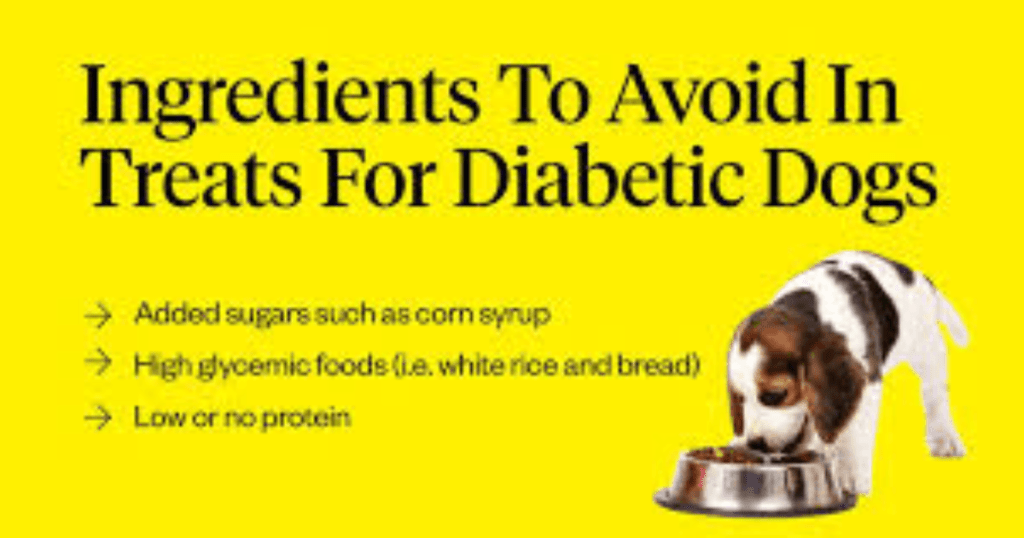
Candies, cakes, and even some dog treats for diabetic dogs contain hidden sugars. These are classic high sugar dog foods. They increase risks like dog obesity and diabetes. Always avoid anything that causes sudden glucose jumps.

Refined Carbohydrates
Refined carbs break down quickly. They turn into sugar almost instantly. This makes them one of the worst foods that raise blood sugar in dogs. Items like white bread and pasta don’t help stability.
Instead, focus on a low glycemic dog diet with better fiber. Refined carbs worsen insulin resistance in dogs. That’s why they rank high among foods to avoid for diabetic dogs. Slow-digesting carbs are always safer.
Fatty and Greasy Foods
Fat-heavy meals might seem harmless at first. However, they stress the body over time. They increase weight and worsen insulin resistance in dogs. This leads to poor dog diabetes management.
Greasy foods can also trigger pancreatitis in dogs, which is dangerous. Many cases of worst foods for dogs with diabetes involve fatty leftovers. Avoid fried meats and oily scraps to protect your dog’s health.

Low-Quality Processed Dog Foods
Cheap dog foods often contain fillers. These include corn, soy, and wheat. Such ingredients are known harmful ingredients in dog food. They lack real nutrition and disrupt canine diabetes nutrition.
A better choice is a veterinary recommended dog diet guide to pet nutrition.
Look for dog food with low carbs and real protein. Processed foods often fail to support a healthy diet for diabetic pets. Quality matters more than price.
High-Sugar Fruits
Fruits sound healthy. Yet many contain natural sugars. Owners often ask “is fruit safe for diabetic dogs”, and the answer depends on the type. Fruits like mangoes and bananas spike glucose.
Grapes are even worse. They are toxic and must be avoided. High-sugar fruits harm blood sugar control in dogs. Choose safer options in small amounts if needed.
Human Snack Foods
Human snacks are tempting to share. Still, they’re harmful. Chips, biscuits, and cereals are packed with salt and carbs. These are common foods that raise blood sugar in dogs.
They also contain additives that damage balanced nutrition for dogs. If you’re thinking about safe snacks for diabetic dogs, avoid human junk food completely. It adds risk without benefits.
Dairy Products
Many dogs struggle with dairy. Some owners ask “can dogs eat dairy with diabetes”. The issue isn’t just lactose. Flavored dairy contains sugar that disrupts glucose levels.
Milkshakes and sweet yogurt worsen dog diabetes management. Even plain dairy should be limited. It rarely fits into a best diet plan for diabetic dogs.
Foods Containing Xylitol
Xylitol is extremely dangerous. It causes rapid insulin release. This leads to xylitol toxicity in dogs and sudden drops in blood sugar.
Signs appear quickly. Watch for signs of hypoglycemia in dogs like weakness or seizures. This is one of the most dangerous items in the list of worst foods for diabetic dogs.
How to Build a Safe Diet for Diabetic Dogs
A safe diet focuses on balance. You need fiber, protein, and controlled carbs. This supports how to stabilize blood sugar in dogs and keeps energy steady.
Below is a simple comparison table:
Food Type Effect on Diabetic Dogs
Sugary foods Rapid glucose spikes
Refined carbs Quick sugar release
High-fat foods Weight gain, insulin issues
Low-quality food Poor nutrition
Low-glycemic foods Stable energy
A balanced nutrition for dogs approach helps avoid complications.
Conclusion
Managing diabetes in dogs takes effort. Yet it becomes easier with knowledge. When you avoid the worst foods for diabetic dogs, you protect your pet’s future.
Stick to a healthy diet for diabetic pets and consult your vet often. Understanding what causes diabetes in dogs and proper feeding habits ensures better health. Small changes today can make a big difference tomorrow.
FAQs
Are scrambled eggs good for diabetic dogs?
Yes, plain scrambled eggs (no oil or seasoning) are a good low-carb protein option.
What meat is good for diabetic dogs?
Lean meats like chicken, turkey, and beef are best as they support stable blood sugar.
What human foods are toxic to diabetic dogs?
Foods with xylitol, chocolate, grapes, raisins, onions, and garlic are highly toxic.
What makes a diabetic dog not want to eat?
High blood sugar, infections, nausea, or complications like pancreatitis can reduce appetite.
What is the best dog food for diabetic dogs?
High-protein, high-fiber, low-carb dog food recommended by vets is ideal.
How many days can a diabetic dog go without eating?
Not more than 1–2 days; longer fasting can become dangerous quickly.
Homemade food for diabetic dogs?
Balanced meals with lean protein, vegetables, and low-glycemic carbs work best.
Signs your dog with diabetes is dying?
Extreme weakness, vomiting, seizures, labored breathing, and loss of appetite are serious signs.
What to feed a diabetic dog that won’t eat?
Try boiled chicken, eggs, or vet-approved wet food to encourage eating.
10 homemade diabetic dog food recipes?
Usually include combinations of lean meat, green veggies, and small portions of whole grains.
What foods are good for diabetic dogs?
Lean proteins, leafy greens, pumpkin, and high-fiber foods are beneficial.
Best homemade diabetic dog food recipes vet approved?
Recipes with controlled carbs, lean protein, and fiber—approved by a veterinarian—are best.
Best dog food for diabetic dogs?
Prescription diabetic dog foods or low-carb, high-fiber commercial options are recommended.
Can diabetic dogs eat cheese?
Yes, in small amounts, but only low-fat cheese and not regularly.
