
Dog Behavior & Habits: A Simple Guide to Understanding Your Dog Better
Dogs may seem simple, yet their actions reveal a complex world of instinct and emotion. Understanding dog behavior and everyday dog habits helps you connect with your pet on a deeper level. From playful energy to quiet routines, every movement reflects underlying canine instincts shaped over generations. These actions form predictable pet behavior patterns that guide how dogs react to their surroundings.
By observing subtle cues in dog communication, you begin to recognize what your dog needs, feels, and fears. This awareness not only improves training but also strengthens trust, making life with your dog more balanced, responsive, and truly rewarding.
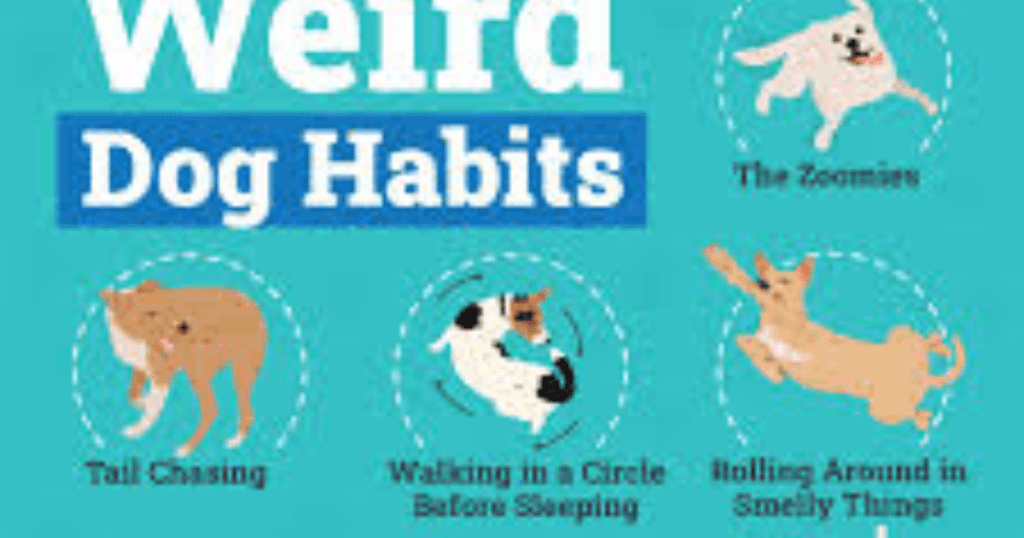
Dog Behavior & Habits: Understanding Everyday Canine Actions
Most actions you see are part of normal dog behavior explained through survival instincts. Dogs read tone, smell, porque jadean los perros and movement faster than humans. This makes their dog environment adaptation strong. However, sudden dog routine changes can confuse them and trigger dog anxiety behavior.
For example, your dog may pace or whine when schedules shift. This links to dog anxiety symptoms and how dogs respond to stress. Think of dogs like routine-driven children. Stability builds calm. Disruption creates confusion. That’s why understanding why dogs act weird sometimes helps you respond better.
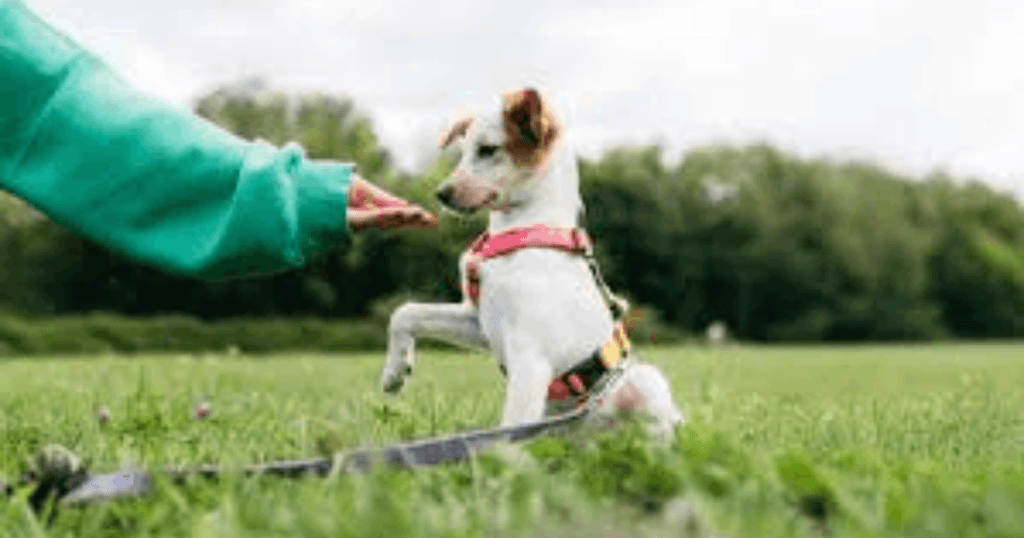
¿Por qué los perros comen pasto? (Why do dogs eat grass?)
Many owners ask, why do dogs eat grass. This common dog behavior & habits pattern relates to dog digestion and instinct. In the wild, dogs consumed plants with prey. Today, dog eating grass may help fiber intake or relieve mild dog digestion problems.
However, you may wonder, is it normal for dogs to eat grass. Usually yes. Still, frequent vomiting links to reasons dogs eat grass and vomit. Watch for pesticides in U.S. lawns. Occasional grass eating is safe. Constant behavior may signal diet imbalance or canine diet issues.
Situation Meaning
Occasional grass eating Normal instinct
Grass + vomiting Possible stomach relief
Excessive eating Diet or boredom issue
¿Por qué jadean los perros? (Why do dogs pant?)
If you’ve asked why do dogs pant so much, the answer lies in cooling. Dogs don’t sweat like humans. Instead, how dogs regulate body temperature depends on panting. This is a key part of dog behavior & habits and survival.
Still, not all panting is normal. Owners often ask, when should I worry about dog panting. Heavy breathing without heat may point to stress or pain. Look for causes of heavy panting in dogs such as illness or fear. Understanding dog panting causes helps prevent serious risks.
Panting Type Possible Cause
Light panting Heat or exercise
Fast panting Stress or excitement
Constant panting Health concern
Why do dogs circle before they lay down?
You may notice your dog spinning and think, why do dogs circle before lying down. This comes from instinctive behaviors in domestic dogs. Wild dogs flattened grass and checked safety before resting. Today, this remains part of dog sleeping habits.
Also, circling links to dog comfort behavior. It helps them create a cozy space. Think of it like fluffing a pillow. However, excessive circling may signal joint pain or aging issues. Always observe changes tied to dog aging process.
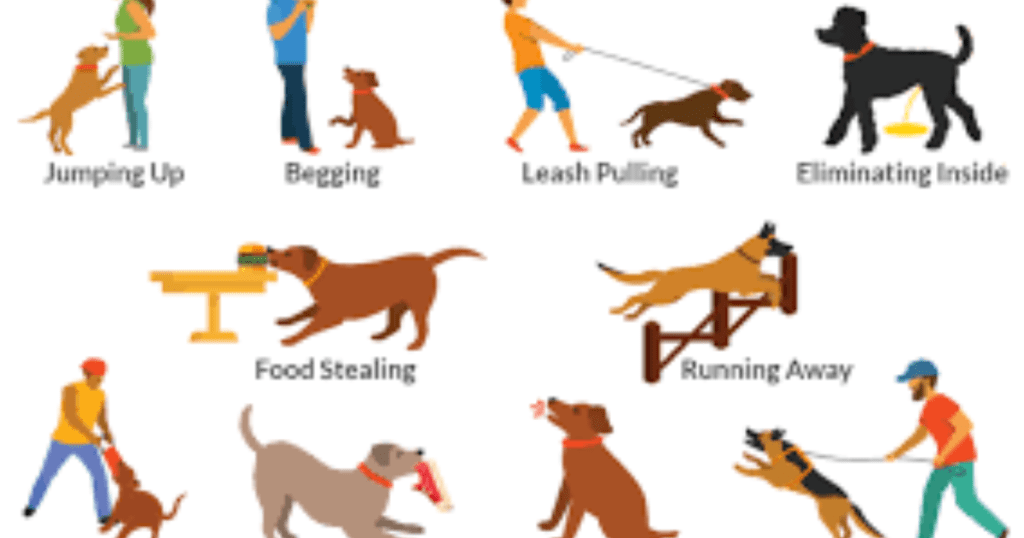
Why do dogs slobber?
If you’ve wondered why do dogs slobber a lot, saliva plays a role in digestion and cooling. Some breeds drool more due to facial structure. Normal slobber fits into everyday dog behavior & habits and feeding responses.
Still, excessive drooling in dogs causes concern. It may point to dental issues, toxins, or stress. Understanding dog drooling causes helps you act quickly. Sudden changes combined with lethargy may indicate serious signs of illness in dogs.
Do dogs’ eating habits change as they get older?
A common question is do dogs eat less as they get older. The answer connects to dog metabolism and activity levels. Puppies need energy-rich meals, linking to puppy nutrition and growth. Adult dogs stabilize, but aging slows appetite.
You’ll notice changes in dog appetite over time. This reflects how dog diet changes with age. Focus on feeding senior dogs properly to support health. Strong senior dog care includes softer food, smaller portions, and monitoring weight changes.
Life Stage Eating Pattern
Puppy High energy diet
Adult Balanced meals
Senior Reduced intake
Hidden Signals in Dog Behavior & Habits Most Owners Miss
Many owners overlook subtle cues in dog behavior & habits. Small changes in appetite, sleep, or mood often reveal deeper issues. Watching patterns closely helps you detect illness early and strengthen your bond through better understanding.
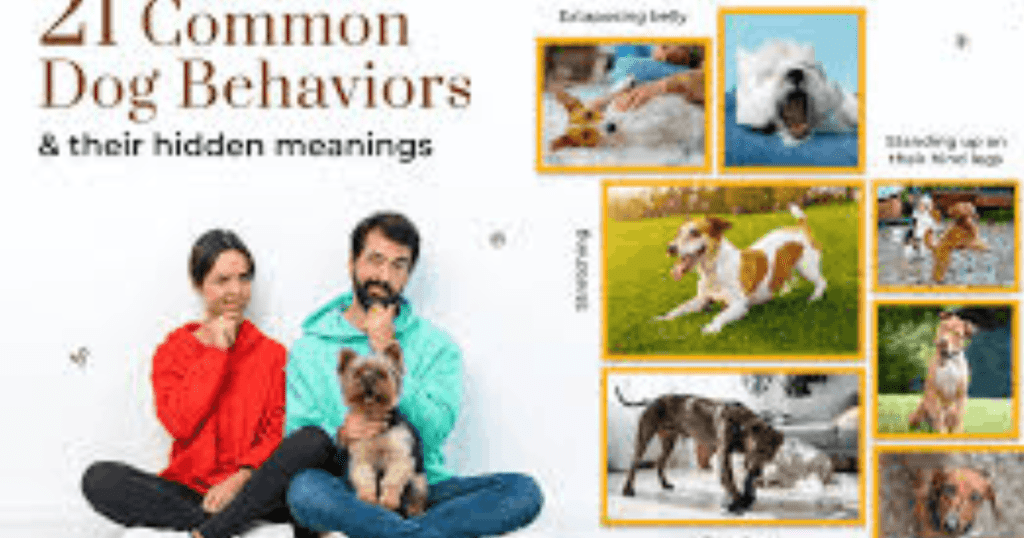
Conclusion
Understanding dog behavior & habits transforms how you care for your pet. Each action, from panting to circling, carries meaning rooted in instinct and environment. When you recognize these signals, you respond with confidence and care.
In the end, your dog isn’t being random. It’s communicating. By learning these patterns, you improve trust, health, and happiness. That’s the real secret behind better pet wellness and a stronger human-dog connection.
FAQs
List of Dog Behaviors
Barking, chewing, digging, licking, panting, circling, jumping, whining, guarding, sniffing.
Why do dogs eat grass?
Dogs eat grass to aid digestion, relieve mild stomach discomfort, or simply out of curiosity.
Why do dogs pant so much?
Panting helps dogs cool down and can also show excitement, stress, or pain.
Why do dogs circle before lying down?
This instinct helps them create a comfortable resting spot and check for safety.
Why do dogs drool a lot?
Drooling can be triggered by food, excitement, heat, or breed traits.
Is it normal for dogs to eat grass?
Yes, occasional grass eating is normal, but frequent vomiting may need attention.
When should I worry about dog panting?
Worry if panting is excessive, constant, or happens without heat or activity.
What are the signs of illness in dogs?
Common signs include lethargy, loss of appetite, vomiting, diarrhea, or unusual behavior.
Do dogs eat less as they get older?
Yes, older dogs often eat less due to slower metabolism and lower activity levels.
What causes excessive drooling in dogs?
It may be caused by dental issues, nausea, toxins, or overheating.
Why do dogs act weird sometimes?
Changes in behavior can result from stress, boredom, illness, or environmental changes.