


When do cats stop growing is a common question many pet owners ask as their kittens quickly change in size and behavior. During early life, cat growth stages move fast, and you may notice big changes every few weeks. Most cats reach near adult size within a year, yet full development can continue longer.
The kitten development timeline depends on diet, care, and breed differences. Factors like cat nutrition for growth and feline growth patterns play a major role in how your cat develops. Understanding this process helps you support healthy growth and ensure your cat reaches its full potential safely.
Growth Timeline of Cats
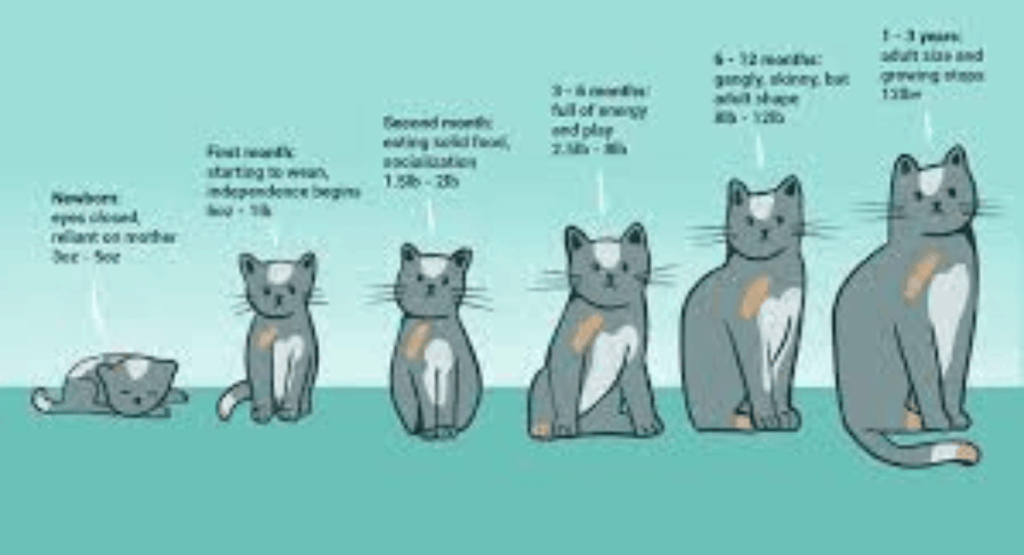
Understanding when do cats stop growing starts with knowing basic cat growth stages. Most cats grow fast in early life. Their kitten development timeline shows rapid changes in size and energy. Growth depends on genetics, nutrition, and environment.
Typically, when cats reach full size happens around 12 to 18 months. However, some continue slowly. This period reflects key cat maturity age milestones. During this time, feline growth patterns shape final size and strength.
Early Growth Stage (0–6 Months)
The first six months are full of fast growth. Kittens gain size quickly. Their bones, muscles, and organs develop rapidly. This stage is vital for healthy kitten growth and strong foundations.

Proper feeding matters a lot. High-quality kitten food supports cat nutrition for growth. Good protein intake improves cat muscle development. Without proper care, early cat development phases may slow down.
Growth from 6 to 12 Months
After six months, growth slows slightly. However, kittens still gain weight gain and improve coordination. Their cat growth rate becomes steady instead of rapid.
By one year old, many look like an adult cat. Still, cat body shape changes continue. This phase reflects important cat growth by age shifts as strength and agility improve.
Development from 12 to 18 Months
Between 12 to 18 months, most cats reach near full size. Their height and length stabilize. However, muscle mass and overall body shape keep improving.
This stage marks final physical maturity. Subtle cat size development continues. You may notice changes in strength and posture. These reflect natural feline physical development finishing stages.
Breed Differences in Growth
Different breed types grow at different speeds. Some finish early, while others take longer. Breed size differences in cats explain why size varies so much.
For example, Maine Coon cats show slow large breed cat growth. They may grow for years. In contrast, smaller cats follow faster small breed cat growth patterns.
Role of Nutrition in Cat Growth
Diet plays a major role in when do cats stop growing. Balanced nutrition ensures strong health and steady development. Poor diet can slow growth and cause weakness.
The table below shows key nutrients:
Nutrient Role
Protein Builds muscles
Vitamins Supports organs
Minerals Strengthens bones
Good kitten diet importance cannot be ignored.

Impact of Spaying and Neutering
Early spaying affects growth slightly. Neutered cats and spayed cats may grow taller due to delayed growth plates closure.
However, this does not harm overall cat health and growth. Instead, it improves long-term lifestyle and prevents health risks. Growth changes remain minor.
Physical vs Behavioral Maturity
Physical size and behavioral maturity do not match exactly. A cat may stop growing but still act playful.
While physical maturity ends near adulthood, behavior takes longer. Many cats remain energetic. This reflects the natural cat aging process and personality development.
Size Differences and Genetics
Not all cats grow the same size. Genetics plays a big role in final appearance. Some stay small even with perfect care.
Factors like diet and activity also matter. These factors affecting cat growth shape final size. Regular veterinary check-ups ensure proper progress and detect issues early.
Conclusion
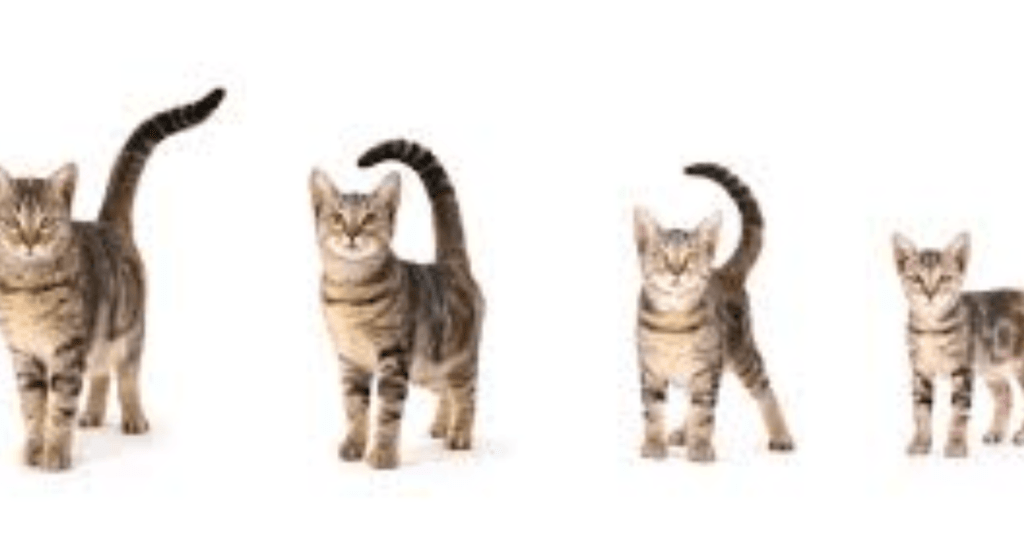
So, when do cats stop growing? Most stop between 12 to 18 months, though some grow longer. Each cat follows unique indoor cat growth patterns.
With proper food, care, and attention, your cat will grow strong. Focus on balanced diet and routine care. This ensures healthy development and a happy life.
FAQs
- What is the 3-3-3 rule of cats?
It means 3 days to decompress, 3 weeks to settle in, and 3 months to fully adjust to a new home. - At what age is a cat fully grown?
Most cats are fully grown between 12 to 18 months, though larger breeds take longer. - What is “I love you” in cat language?
Slow blinking, head bunting, and purring are signs your cat shows love. - Can you tell how big a cat will get?
You can estimate by looking at parents, breed, and early growth patterns. - Are cats happier if they sleep with you?
Many cats feel safer and happier sleeping near their owners, but it depends on personality. - What smell do cats absolutely hate?
Cats strongly dislike citrus scents like lemon and orange. - When do cats stop growing female?
Female cats usually stop growing around 10 to 12 months. - When do cats stop growing male?
Male cats often grow until 12 to 18 months and may develop more muscle. - When do tabby cats stop growing?
Tabby cats typically stop growing around 12 to 18 months, like most domestic cats. - When do cats stop growing reddit?
Reddit discussions commonly agree most cats stop growing around 1 year, with some variation. - When do cats stop growing domestic shorthair?
Domestic shorthairs usually reach full size by 12 months. - When do cats stop growing Ragdoll?
Ragdolls grow slowly and may take 3 to 4 years to fully mature. - When do cats stop growing Siamese?
Siamese cats usually stop growing around 12 to 15 months. - Cat growth chart?
Kittens grow fastest in the first 6 months, slow down by 1 year, and fully mature by 12–18 months.
