

Dogs don’t eat the same way throughout life, and that often surprises owners. If you’ve ever wondered, Do Dogs’ Eating Habits Change as They Get Older?, the answer lies in understanding dog aging and how it affects daily routines. As dogs move through different canine growth stages, their bodies, energy, and preferences shift.
These dog metabolism changes directly influence hunger levels, meal timing, and portion sizes. What worked during early puppy nutrition may not suit later years. Over time, subtle canine appetite changes appear, and recognizing them early helps you adjust feeding habits wisely and keep your dog healthy.
Eating Habits in Puppyhood – Do Dogs’ Eating Habits Change as They Get Older Starts Here
Puppy behavior habits, puppies eat like tiny machines. Their bodies grow fast, so puppy nutrition must be rich and frequent. During early canine growth stages, they need more meals each day. Their dog feeding schedule often includes three to four meals. This stage builds the base for strong dog wellness later in life.
However, feeding isn’t just about quantity. You must match food to pet nutrition needs and energy use. Many U.S. vets recommend high-protein diets for muscle growth. Early habits also shape future behavior. Poor routines can lead to dog food preferences issues later, which answers many reasons dogs change eating habits.
Eating Habits in Adulthood – Do Dogs’ Eating Habits Change as They Get Older Over Time
Adult dogs settle into a rhythm. Their adult dog feeding routine becomes steady, usually two meals daily. At this stage, dog metabolism changes slow growth. Owners must adjust dog calorie requirements based on activity. Active dogs eat more, while lazy ones need less.
However, habits can shift. Some dogs develop picky behavior. This explains why dogs become picky eaters in adulthood. Routine matters a lot now. A stable pet care routine keeps appetite balanced. Many owners ask should I change my dog’s diet with age, and the answer often starts here.
Changes in Senior Dogs’ Eating Habits – Do Dogs Eat Less as They Get Older?
Aging brings clear changes. Many owners notice dog losing interest in food with age. This happens because how aging affects dogs appetite links to slower digestion and lower activity. Senior dogs burn fewer calories, so their hunger drops naturally.
However, not all dogs eat less. Some eat more due to health issues. This creates confusion around what causes dogs to eat less or more. Owners must watch signs of appetite loss in dogs carefully. Adjusting portions becomes key when feeding older dogs.
Age Stage Appetite Level Feeding Frequency
Puppy High 3–4 meals
Adult Moderate 2 meals
Senior Low/Variable 1–2 meals
Impact of Dental Health on Eating – A Hidden Reason Dogs Eat Less
Dental pain changes everything. Poor dog dental health makes chewing hard. This explains many cases of effects of dental problems on dogs eating. Dogs may avoid hard kibble and prefer soft food for dogs instead.
You might notice slow eating or food dropping. These are signs you need to learn how to help a dog with chewing problems. Regular cleaning helps avoid issues. Good dental care is a key part of aging pet care and improves overall dog health and eating behavior.
Effects of Reduced Senses (Smell and Taste) – Why Food Becomes Less Exciting
Dogs rely on smell more than taste. As they age, this sense weakens. That’s why owners ask why is my older dog not eating. Reduced smell leads to less interest in food, even if the dog is healthy.
You can fix this with simple tricks. Warm food slightly or add broth. These methods help if you wonder how to improve a dog’s appetite. Understanding dog lifestyle changes helps you adjust meals and maintain strong dog wellness.
Health Conditions and Appetite Changes – When to Worry
Sometimes, appetite changes signal illness. Common dog health conditions include kidney disease and diabetes. These can cause sudden hunger loss or increase. This explains many digestive issues in dogs during aging.
Medication also affects eating. Owners often ask best food for aging dogs when health declines. Choosing the right senior dogs diet supports recovery. If eating habits change fast, consult a vet. It’s crucial for managing diet for older pets.
Behavioral Changes Around Food – More Than Just Hunger
Behavior shifts with age. Older dogs prefer quiet spaces. Stress or noise can stop them from eating. This relates to dog health and eating behavior and emotional comfort.
Routine becomes very important. Dogs expect meals at the same time daily. Changes confuse them. This explains many feeding tips for older dogs shared by experts. A calm setup improves eating and supports caring for senior dogs nutrition.
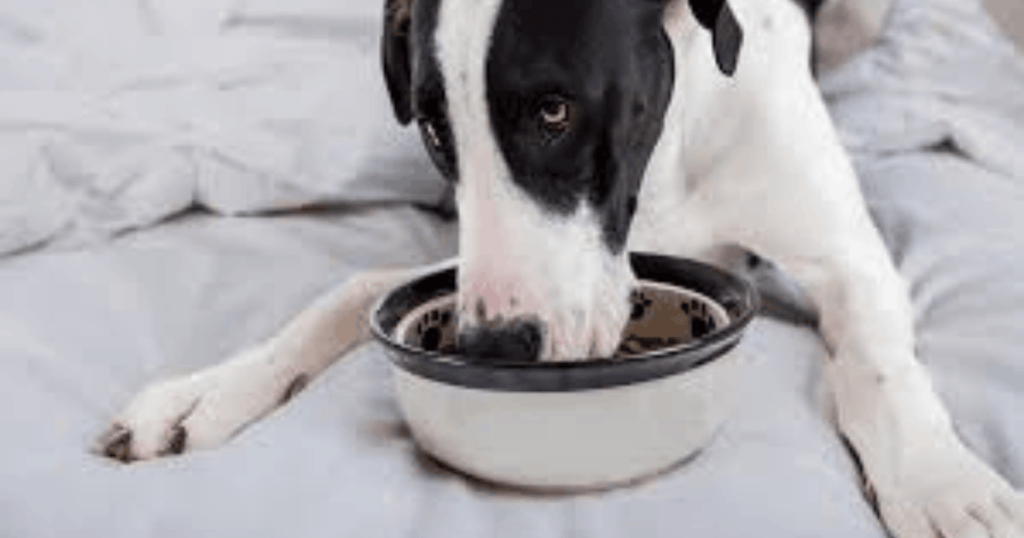
Do Dogs’ Eating Habits Change as They Get Older? Key Signs to Watch
You’ll notice small clues first. Slow eating, skipped meals, or weight loss matter. These are common signs of appetite loss in dogs. Watching closely helps you respond early.
Ask simple questions like how often should senior dogs eat or what do older dogs like to eat. These answers guide better care. Small changes today prevent bigger problems tomorrow.
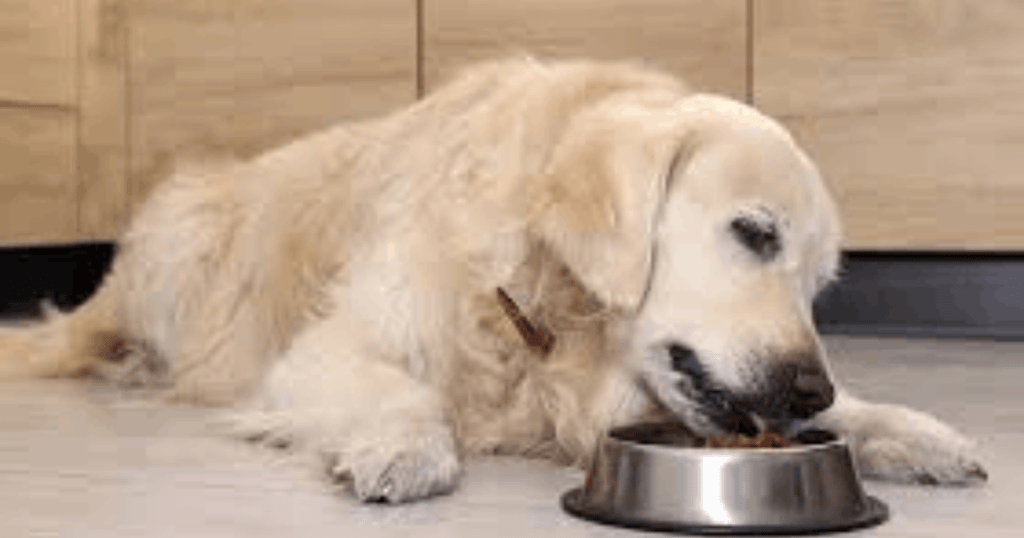
Conclusion: Adapting to Your Dog’s Changing Needs
So, do dogs’ eating habits change as they get older? Yes, clearly. From puppy nutrition to senior dogs diet, every stage demands attention. Food, health, and behavior all connect.
Stay observant and flexible. Adjust meals as your dog ages. With the right care, your dog stays happy, healthy, and full of life.
FAQs
Is it normal for older dogs to become picky eaters?
Yes, aging can affect taste, smell, and health, making older dogs more selective with food.
What is the 7 7 7 rule for dogs?
It means give a new dog 7 days to decompress, 7 weeks to learn routines, and 7 months to fully settle.
What age is considered very old for a dog?
Small dogs: 10–12+ years; large breeds: around 7–9 years is considered very old.
What is the 90/10 rule for dogs?
90% of calories should come from balanced dog food, and only 10% from treats.
What is “I love you” in dog language?
Dogs show love through tail wagging, eye contact, licking, and staying close to you.
What is the silent killer in dogs?
Conditions like heart disease, kidney failure, and cancer are often called silent killers.
Do dogs’ eating habits change as they get older than?
Yes, aging affects metabolism, appetite, and food preferences, often reducing hunger.
Why is my senior dog losing weight but still eating?
It could be due to health issues like diabetes, thyroid problems, or poor nutrient absorption.
My dog is losing weight but eating normally?
This may signal underlying illness, parasites, or metabolic disorders—see a vet.
Dog losing weight but acting normal?
Even without symptoms, weight loss can indicate hidden health problems.
Elderly dog losing weight but acting normal?
Common causes include aging metabolism, muscle loss, or undiagnosed disease.
15 year old dog losing weight but still eating?
At this age, weight loss is often linked to organ decline or chronic illness.
Senior dog losing weight and drinking lots of water?
This may indicate diabetes, kidney disease, or Cushing’s disease.
My dog is losing weight and drinking lots of water?
Excess thirst with weight loss is a warning sign—seek veterinary advice promptly.
