

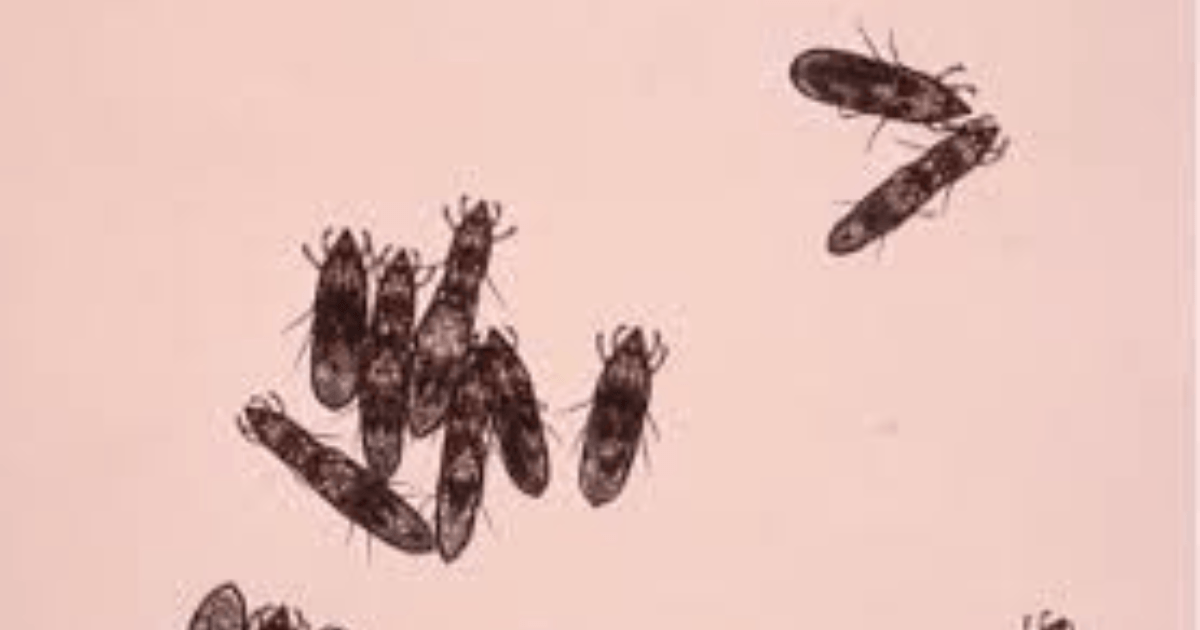
Noticing your pet scratching nonstop can raise concern quickly. Many owners wonder what do guinea pig mites look like when symptoms first appear. The truth is, most guinea pig mites are too tiny to see, yet they leave clear signs behind. These guinea pig parasites often cause itching, redness, and discomfort that shouldn’t be ignored.
You might notice changes in skin texture, behavior, or even early guinea pig hair loss. Understanding these clues helps you act fast and protect your pet. With proper care and attention, you can manage guinea pig skin problems early and keep your furry companion healthy, calm, and comfortable every
What Do Guinea Pig Mites Look Like on the Skin?
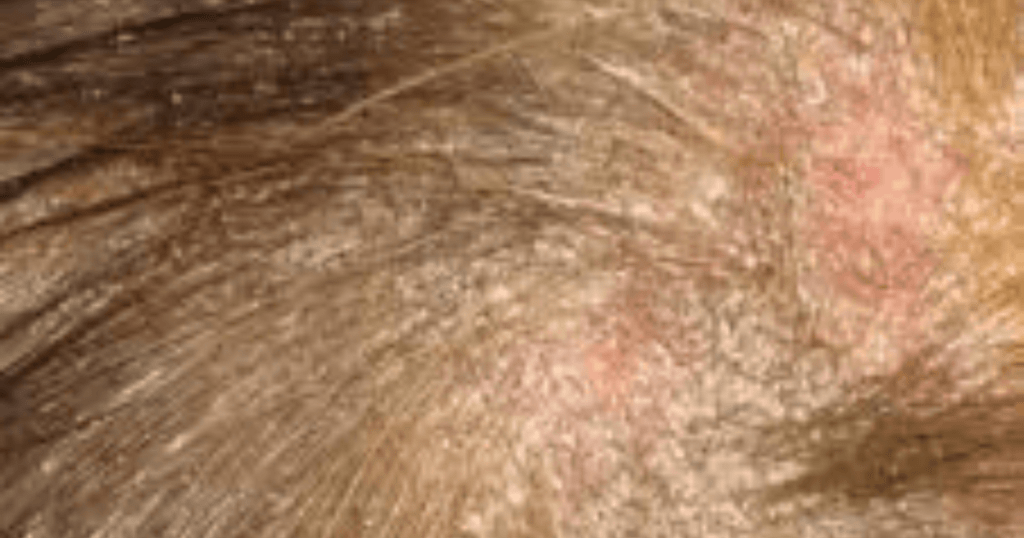
At first, you may not see anything moving. That’s because guinea pig parasites live deep in the skin. However, visible signs appear fast. You might notice redness, flakes, and rough patches. These are common guinea pig skin problems.
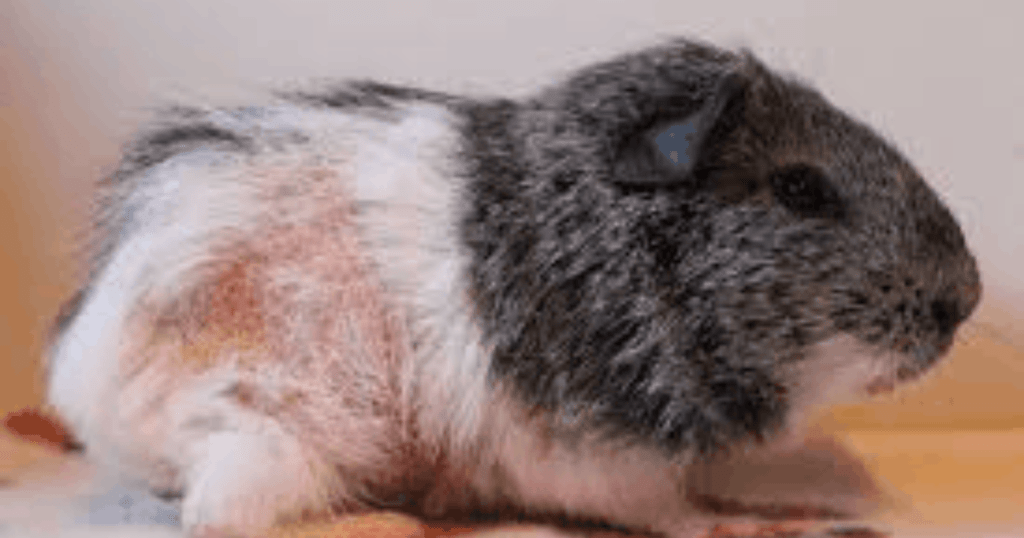
Soon, symptoms become clearer. You may ask what do guinea pig mites look like when skin worsens. Look for guinea pig scabs and swelling. These signs point to strong guinea pig skin irritation that needs attention.
Common Symptoms of Mite Infestation
Scratching is the first warning. Many owners ask why is my guinea pig scratching so much when it begins. This constant movement leads to wounds. Over time, guinea pig itching causes stress and discomfort.
Hair loss is another sign. You may search for guinea pig losing hair causes. Bald patches appear fast. These indicate serious guinea pig hair loss and deeper guinea pig health issues that should not be ignored.
Types of Mites That Affect Guinea Pigs
Different mites affect pets differently. The most common type causes severe itching and pain. These are dangerous small pet parasites that live under the skin and spread quickly.
Surface mites also exist. They cause milder problems but still harm health. Many cases involve parasite infestation in pets and early guinea pig infections. Knowing types helps you act early and protect your pet.
How Do Guinea Pig Mites Spread?
Mites spread easily between animals. You may wonder how do guinea pigs get mites after bringing a new pet home. Direct contact is the main reason. Poor guinea pig hygiene also increases risk.
Dirty cages make things worse. Owners often ask about what causes mites in guinea pigs. Lack of proper guinea pig cage cleaning creates the perfect environment for growth. Clean spaces reduce spread quickly.
How to Confirm the Presence of Mites
You cannot confirm mites by sight alone. Many ask how to tell if my guinea pig has mites without seeing them. The answer lies in symptoms like scratching and wounds.
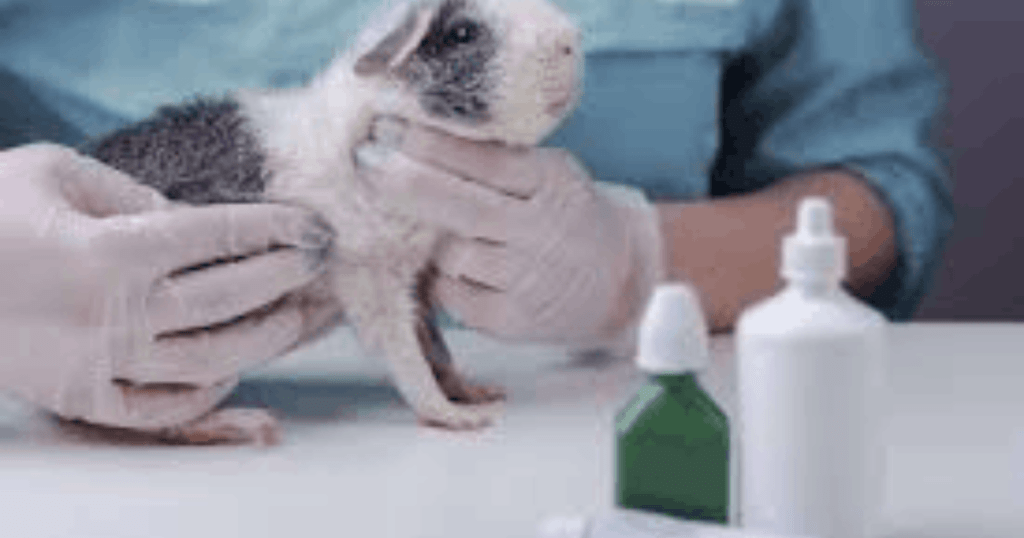
A vet can confirm the issue. Tests help identify guinea pig disease symptoms clearly. Professional guinea pig veterinary care ensures correct diagnosis and safe treatment.
Treatment Options for Guinea Pig Mites
Treatment must start quickly for pet hygiene. Owners search how to treat guinea pig mites or best treatment for guinea pig mites when symptoms appear. Vets often prescribe safe medications.
Cleaning matters too. You should know how to get rid of mites on guinea pigs and maintain proper guinea pig grooming. Combined care improves results and supports long-term small pet health care.
Preventing Mite Infestations
Prevention is easier than treatment. Many ask how to prevent mites in guinea pigs before problems start. Clean living spaces reduce risk.
You must also learn how to clean cage after mites to avoid return. Good habits improve guinea pig care tips and reduce common guinea pig fur problems in the future.
Practice Benefit
Clean cage weekly Reduces parasites
Fresh bedding Prevents infections
Regular grooming Detects early issues
When to See a Veterinarian
Sometimes, home care is not enough. You should know when to take guinea pig to vet if symptoms worsen. Severe scratching or wounds need attention.
You may also ask about guinea pig skin infection treatment or natural remedies for guinea pig mites. A vet ensures safe care. This also answers concerns like do guinea pig mites spread to humans.
Are Guinea Pig Mites Visible to the Eye? Quick Answer Guide
Most owners still ask are guinea pig mites visible after reading signs. The answer remains no. You see symptoms, not the mites themselves.
Focus on behavior and skin changes. Watch for early symptoms of parasites in guinea pigs. Quick action prevents pain and improves recovery.
Conclusion
So, are guinea pig mites visible? In most cases, no. Yet their effects are easy to spot. From scratching to hair loss, signs appear clearly.
By acting early and maintaining hygiene, you protect your pet. Simple care steps reduce risks and keep your guinea pig healthy and happy.
FAQs
How do I tell if my guinea pig has mites?
Look for constant scratching, hair loss, scabs, and irritated skin.
What gets rid of guinea pig mites?
Vet-prescribed treatments like ivermectin or selamectin are most effective.
Can guinea pig mites spread to humans?
No, most guinea pig mites don’t live on humans, but may cause mild itching.
Can guinea pigs get mites from bedding?
Yes, contaminated bedding can carry mites and cause infestation.
How long does it take to get rid of mites on guinea pigs?
Usually 2–4 weeks with proper treatment and cleaning.
How do you get rid of mites in guinea pigs?
Use vet medication, clean the cage, and treat all guinea pigs together.
What do guinea pig mites look like on humans?
They don’t live on humans, but may cause small red itchy bumps temporarily.
Guinea pig mites treatment?
Treatment includes topical or oral medication plus thorough cage cleaning.
How do guinea pigs get mites?
Through contact with infected animals or contaminated items like bedding.
Guinea pig mites treatment at home?
Clean the cage, wash bedding, and follow vet-approved medication only.
Do guinea pig mites affect humans?
They rarely affect humans and usually don’t survive on human skin.
Guinea pig mites symptoms?
Scratching, hair loss, scabs, redness, and restlessness are common signs.
Guinea pig lice?
Lice are visible parasites that cause itching but differ from microscopic mites.
Hay mites guinea pigs?
Hay can sometimes carry mites, so always use clean, high-quality hay.