

The spay incision healing process is a vital part of your pet’s recovery after surgery. Many pet owners feel unsure during this time, especially when they notice small changes in the wound. Understanding spay surgery recovery helps you stay calm and take the right steps.
Proper post-surgery pet care ensures the incision heals safely without complications. During this period, careful incision care for pets and close monitoring support smooth pet wound healing. When you know what to expect each day, you can prevent risks and help your pet recover faster. A little attention now makes a big difference in long-term health.
What Is the Spay Incision Healing Process and Why It Matters
The spay incision healing process is the journey your pet takes after surgery. It begins right after the spay surgery incision is closed. Good healing reduces risks and supports long-term health. Proper spay surgery recovery ensures your pet stays active and happy.
Understanding this process helps you stay calm and prepared. Each stage of pet surgery healing needs care and attention. With the right post-surgery pet care, you can prevent problems and support smooth pet wound healing at home.
How the Spay Incision Healing Process Affects Your Pet’s Recovery
Healing happens inside and outside the body. The outer skin heals first, but internal tissues take longer. These surgical incision healing stages require patience and proper pet incision care.
For example, many owners think their pet is fine too soon. However, skipping pet activity restriction can slow healing. Following veterinary aftercare advice improves the full pet surgery recovery timeline.
Day 1–3: The Initial Healing Stage
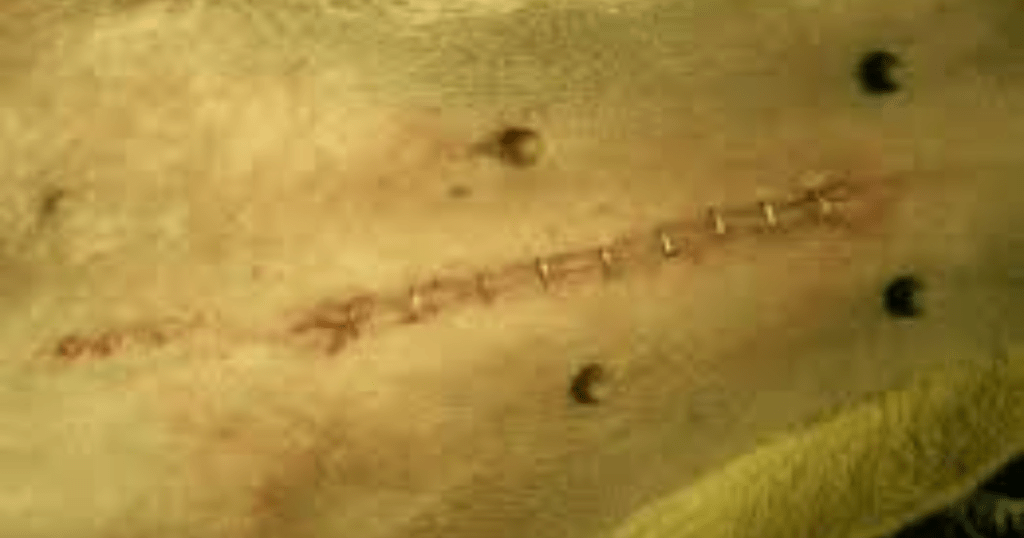
Right after surgery, the spay incision healing process starts slowly. Your pet may feel tired or confused. A fresh spay surgery incision may show mild incision redness and swelling which is normal.
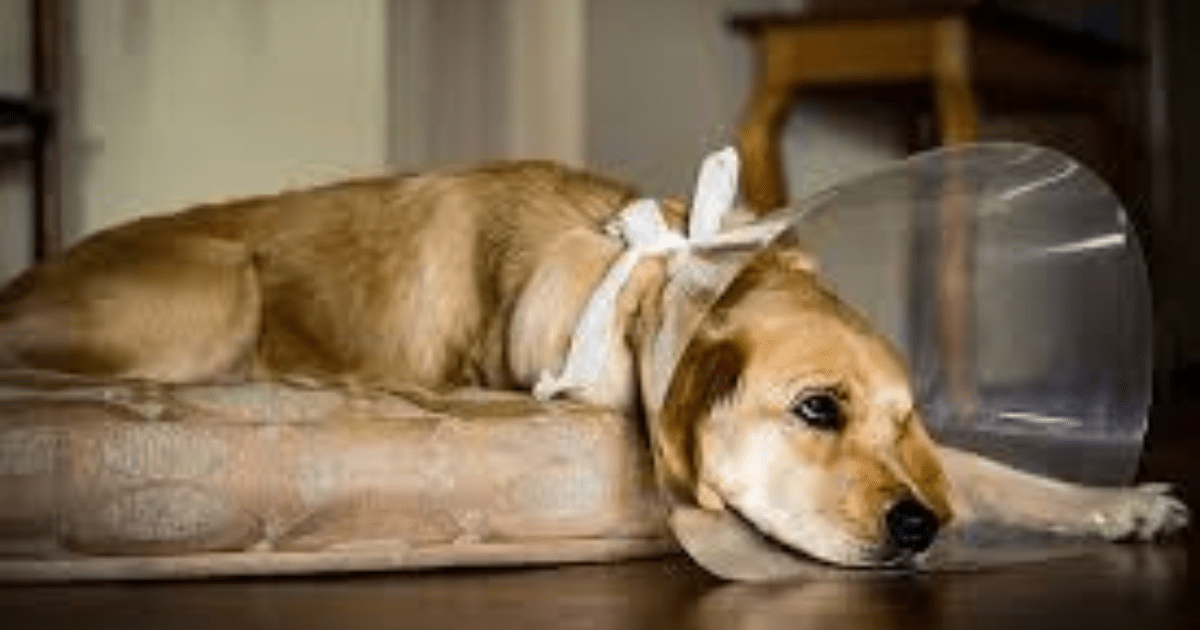
During this phase, focus on pet rest and recovery. Limit movement and use Elizabethan collar use to stop licking. Proper home care after surgery helps avoid early pet surgery complications.
Day 4–7: Early Recovery and Tissue Repair
Now healing becomes more visible. The spay incision healing process shows progress as swelling reduces. You may still see a slightly swollen incision in pets, which is part of normal repair.
Pets often regain energy during this stage. However, strict pet activity restriction remains important. Good surgical wound care animals ensures safe healing after spaying without setbacks.
Day 8–14: Visible Healing and Stitch Removal
By now, the spay incision healing process reaches an advanced stage. The wound closes and stitches healing in pets becomes clear. The surface looks dry and sealed.
Many pets need stitch removal in pets during this time. Continue careful incision monitoring and follow pet post-operative recovery steps to avoid reopening the wound.
Signs of Normal Healing
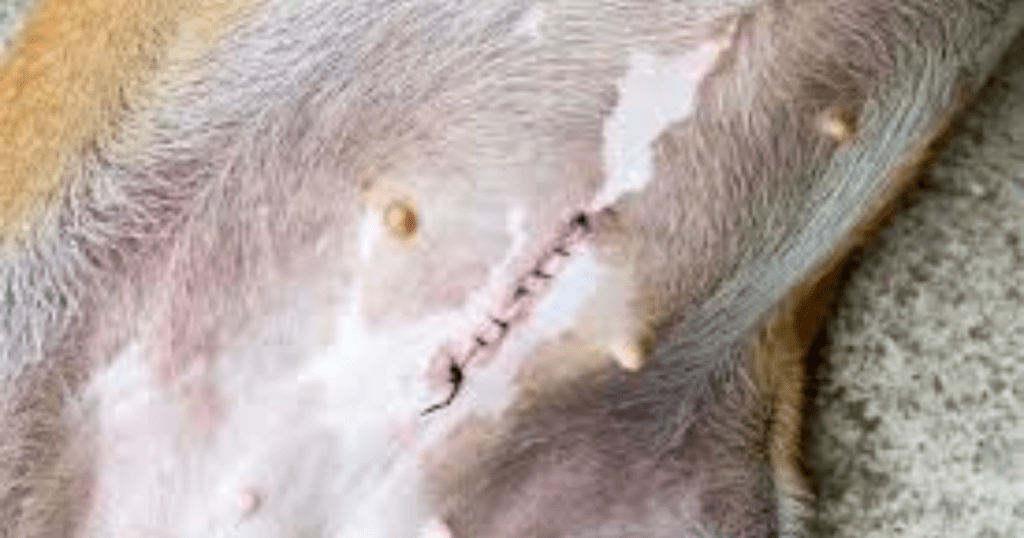
A healthy spay incision healing process shows steady improvement. The wound stays clean, dry, and slightly pink. Mild incision redness and swelling fades each day.
Use this simple table to understand normal healing:
Sign Meaning
Light pink color Healthy blood flow
Dry incision Good healing progress
Closed edges Proper tissue repair
Consistent incision care for pets supports safe pet healing stages and smooth recovery.
Warning Signs to Watch For
Sometimes problems appear suddenly. Watch closely for signs of infection in incision like redness, heat, or pain. Wound discharge in pets or bad smell needs urgent attention.
Serious issues include incision opening in pets or bleeding. These are dangerous pet wound infection symptoms. Quick action helps prevent major pet surgery complications.
How to Care for the Incision at Home
Proper care speeds up the spay incision healing process. Keep the wound clean and dry. Follow all veterinary recovery instructions carefully every day.
Prevent licking using a cone collar for pets. Good incision cleaning for pets and regular checks improve pet surgery recovery care. This reduces risks and supports faster healing.
Helpful Recovery Tips
Small steps make a big difference. Create a calm space for pet rest and recovery. Track your pet’s behavior and appetite daily.
Here is a simple guide:
Tip Benefit
Limit movement Prevents injury
Check incision daily Early detection
Follow medication Reduces pain
These pet recovery tips improve the full pet healing timeline and ensure safe recovery.
Final Thoughts on Spay Incision Healing Process
The spay incision healing process requires patience and care. Each stage builds toward full recovery. With proper animal surgery aftercare, most pets heal without issues.
Stay attentive and follow expert advice. Good care today prevents future problems. Your effort ensures a smooth dog spay recovery time and safe cat spay healing process for your pet.
FAQs
- How do I know if a spay incision is healed?
It looks closed, dry, and light pink with no swelling, redness, or discharge. - How long does it take for spayed stitches to heal?
Most stitches heal in 10–14 days, but internal healing may take a few weeks. - How long should you keep a spay incision covered?
Usually, it’s left uncovered but protected from licking for 10–14 days. - How to help a spay incision heal?
Keep it clean, dry, restrict movement, and prevent licking with a cone. - How can I make my incision heal faster?
Follow vet instructions, limit activity, give medications, and check daily. - What should a spay incision look like after 3 days?
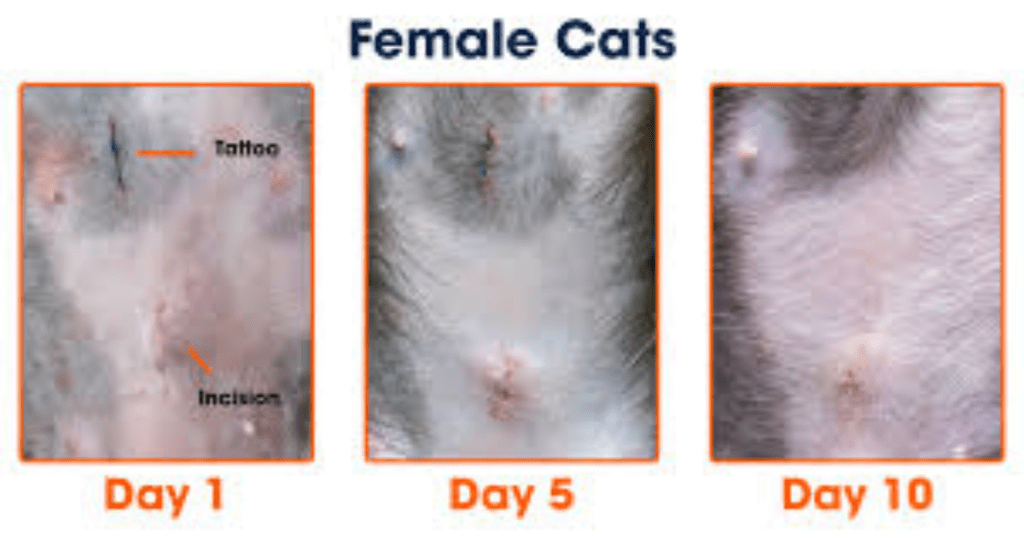
Slightly pink with mild swelling, dry edges, and no pus or bad smell. - Cat spay incision healing process?
Cats heal in stages over 10–14 days with gradual closure and reduced swelling. - Spay incision healing process dog?
Dogs follow a similar 10–14 day healing timeline with proper rest and care. - Spay incision healing pictures?
You can find them on veterinary websites or trusted pet health blogs. - Spay incision cat stitches healing stages pictures?
Look for educational guides from vet clinics showing day-by-day healing stages. - Cat spay incision healing process pictures?
Available online through vet resources and pet care platforms. - Spay incision day by day?
Days 1–3 swelling, 4–7 improvement, 8–14 closure and healing. - Cat spay incision after 1 week?
It should look less swollen, mostly closed, and healing well. - Warning signs after spaying dog?
Watch for redness, swelling, discharge, odor, pain, or incision opening.
