
Small Pet Health (Rabbits & Guinea Pigs): Complete Guide for Happy and Healthy Pets
Caring for small animals can feel simple at first, yet small pet health often requires more attention than expected. Rabbits and guinea pigs have delicate systems, so proper rabbit care and balanced guinea pig care become essential from day one. Their diet, environment, and daily habits all shape long-term small pet wellness.
Even small changes in behavior can signal hidden problems, which makes observation important. A clean habitat, fresh food, and routine checks support better health. When you understand their needs, you can prevent many issues early. With the right approach, your pets stay active, comfortable, and full of life for years to come.
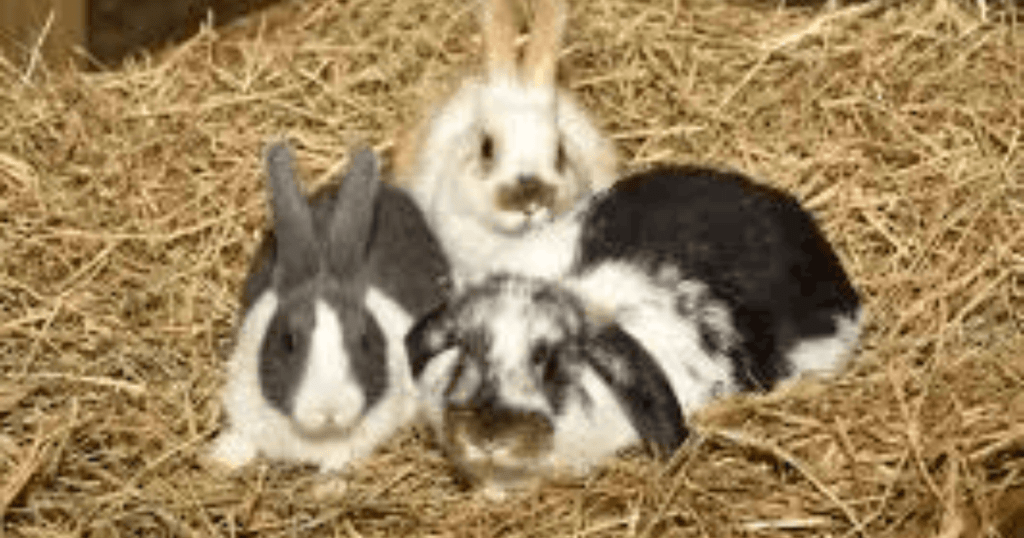
Understanding Rabbit Health Basics in Small Pet Health (Rabbits & Guinea Pigs)
Rabbits need special attention every day. Proper rabbit care starts with a balanced rabbit diet and a clean space. Their digestion is sensitive, so a hay-based diet supports strong animal digestion health. Many owners miss early rabbit behavior changes, which can signal hidden bunny health problems.
You should watch closely. Ask yourself how to know if my rabbit is sick when habits change. If your pet stops eating, think about rabbit not eating what to do quickly. Good pet health monitoring helps you act early. Also, follow small pet care tips for beginners to build confidence.
Why Is My Bunny Shaking? Small Pet Health (Rabbits & Guinea Pigs) Warning Signs
Seeing your rabbit shake feels scary. Many owners ask why is my bunny shaking or even why is my rabbit trembling. Sometimes, fear or cold causes it. However, shaking can also mean pain or serious illness. In extreme cases, rabbit shaking and not moving signals danger.
Heat can also harm rabbits fast. Heatstroke in rabbits is common in warm homes. You must act quickly. Learn when to take rabbit to vet if shaking continues. Observing signs helps you understand real causes and protect your pet from harm.
Common Guinea Pig Health Issues in Small Pet Health (Rabbits & Guinea Pigs)
Guinea pigs need daily care to stay healthy. Good guinea pig care includes proper guinea pig nutrition and clean living areas. Without enough vitamin C for guinea pigs, they can develop weakness and pain. Many owners also notice guinea pig skin issues early.
Scratching and hair loss often confuse owners. You may ask why is my guinea pig scratching so much or look into guinea pig losing hair causes. These signs can point to infections or poor diet. Strong pet hygiene helps prevent many issues.
What Do Guinea Pig Mites Look Like in Small Pet Health (Rabbits & Guinea Pigs)
Many pet owners worry about parasites. They often ask what do guinea pig mites look like. Mites are tiny, yet they cause visible damage. You may see red skin, wounds, or heavy scratching. These are common symptoms of parasites in guinea pigs.
Treatment must start fast. Learn how to treat guinea pig mites using proper medicine. Delays can worsen parasite infections in pets. If needed, ask a vet about guinea pig skin infection treatment. Quick action protects your pet’s comfort.
Diet and Nutrition for Small Pet Health (Rabbits & Guinea Pigs)
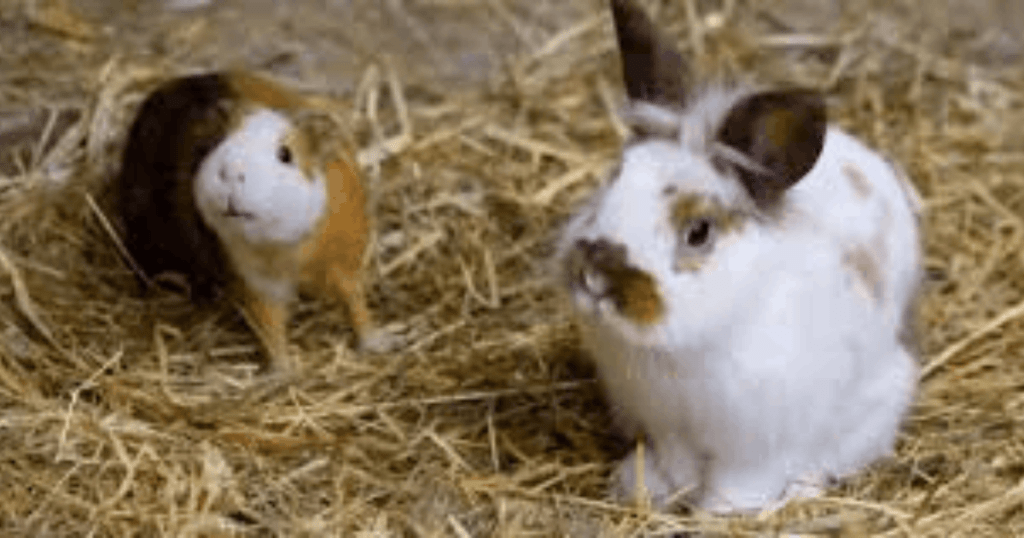
Food keeps your pets alive and active. A proper rabbit diet and strong guinea pig nutrition create long-term health. Fresh hay supports digestion. Vegetables add nutrients. Owners often ask what to feed rabbits daily and search for the best diet for guinea pigs.
Balanced meals matter more than treats. Too much sugar harms health. Focus on fresh food and clean water. Learning how to keep small pets healthy starts with diet. Good feeding habits prevent many illnesses early.
Food Type Rabbits Guinea Pigs
Hay Essential Essential
Vegetables Daily Daily
Vitamin C Not required Required
Pellets Limited Limited
Signs of Illness You Should Never Ignore in Small Pet Health (Rabbits & Guinea Pigs)
Small pets hide pain well. That’s why you must notice small changes. Watch for signs of illness in rabbits like low energy or poor eating. Changes in droppings also matter. These signs often appear before serious illness.
Ask yourself how to prevent diseases in rabbits and guinea pigs by staying alert. Sudden behavior shifts mean trouble. If unsure, seek small animal vet care quickly. Early action saves lives and reduces suffering.
Creating a Healthy Living Environment for Small Pet Health (Rabbits & Guinea Pigs)
A clean home protects your pet daily. Good pet environment hygiene reduces disease risks. You must learn how to clean rabbit cage properly to remove waste and bacteria. Clean bedding prevents infections and keeps pets comfortable.
Air flow also matters. Poor ventilation increases illness risk. Regular guinea pig grooming helps maintain hygiene. Simple cleaning habits support long-term small pet health and prevent stress-related issues.
Preventive Care and Regular Checkups in Small Pet Health (Rabbits & Guinea Pigs)
Prevention saves time and money. Regular checks improve small pet health and reduce emergencies. Focus on grooming, nail care, and dental checks. These steps protect against hidden problems.
Routine vet visits matter too. Use small animal vet care to catch issues early. Daily observation helps you spot changes fast. Prevention is the best way to protect your pet’s future.
Small Pet Health (Rabbits & Guinea Pigs): Daily Care Essentials
Daily habits shape long-term health. Simple routines improve safety and comfort. Focus on feeding, cleaning, and observation. These actions support strong health and reduce risks.
A healthy routine answers questions like how to care for a guinea pig properly. It also helps you manage stress and behavior. Consistency builds trust and keeps your pet happy.
Conclusion: Keeping Rabbits and Guinea Pigs Healthy in Small Pet Health (Rabbits & Guinea Pigs)
Caring for small pets takes patience and awareness. Good rabbit care and proper guinea pig care create a strong foundation. When you understand behavior and health signs, you can act quickly.
Stay consistent with feeding, cleaning, and checkups. Learn from daily habits. With the right approach, you can protect your pet and enjoy many happy years together.
FAQs
What is the 3-3-3 rule for bunnies?
It means 3 days to adjust, 3 weeks to settle, and 3 months to fully feel safe and bonded.
What is the 3-3-3 rule for guinea pigs?
Similar idea: 3 days to relax, 3 weeks to build trust, and 3 months to feel comfortable.
Why shouldn’t you keep rabbits and guinea pigs together?
Rabbits can injure guinea pigs and may carry bacteria harmful to them.
What is the main cause of death in guinea pigs?
Respiratory infections and vitamin C deficiency are leading causes.
What is popcorning guinea pigs?
It’s when guinea pigs jump and twist in the air, showing happiness and excitement.
What foods are fatal to guinea pigs?
Chocolate, onions, garlic, avocado, and iceberg lettuce can be toxic or harmful.
Small pet health rabbits and guinea pigs near me?
Search for local exotic vets or small animal clinics in your area for proper care.
What smells worse rabbits or guinea pigs?
Guinea pigs usually smell more if cages aren’t cleaned often.
Guinea pig or rabbit which is better?
Guinea pigs are easier for beginners, while rabbits need more space and training.
Guinea pig or rabbit for child?
Guinea pigs are generally better for children due to their gentle nature.
Should I get a rabbit or a guinea pig quiz?
Online quizzes help match pets to your lifestyle, time, and care ability.
Small Pet Select UK?
A brand that sells high-quality hay, bedding, and food for small pets in the UK.
Guinea pig vs rabbit vs hamster?
Hamsters need least space, guinea pigs need social care, rabbits need the most effort.
Guinea pig or hamster for child?
Guinea pigs are better since they are friendlier and less fragile than hamsters.