

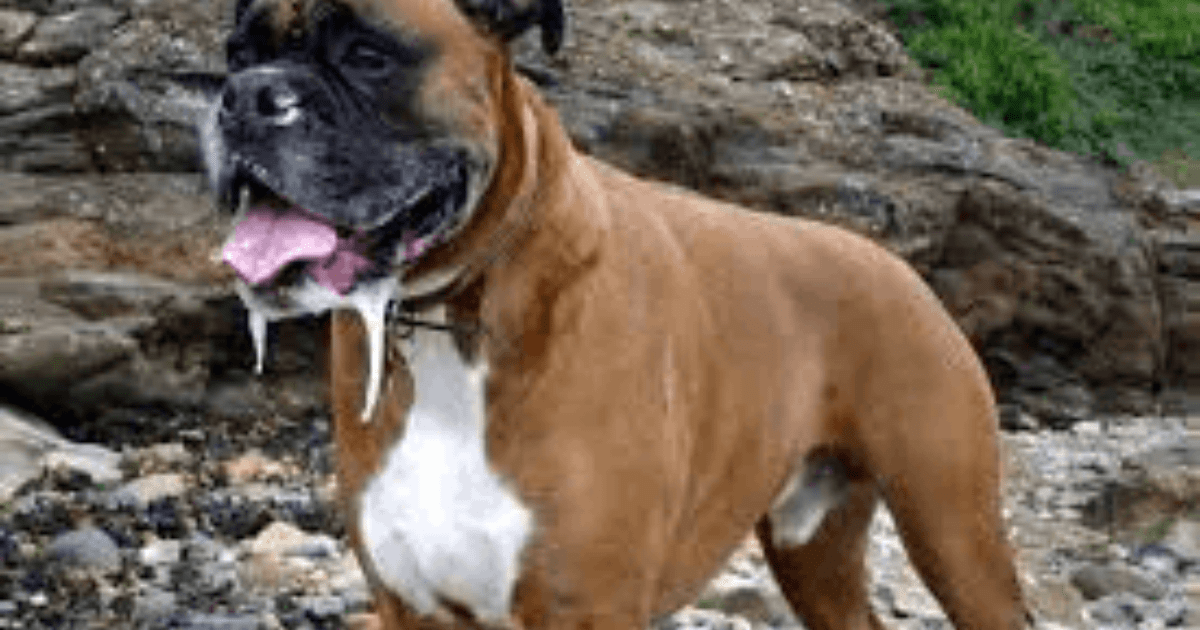
Have you ever noticed your dog leaving a trail of drool and wondered what it means. Understanding why do dogs slobber can help you see what your pet is feeling or experiencing. This common habit links to dog slobbering and natural dog behavior shaped over time.
In many cases, dog drooling happens due to excitement, hunger, or even temperature changes. However, it can also signal deeper issues related to canine saliva production or health concerns. By learning the real reasons behind this behavior, you can better care for your dog and respond quickly when something seems unusual or out of the ordinary.
Anatomy and Breed Differences
Some dogs drool more because of their body design. Their dog anatomy includes loose lips and jowls that cannot hold saliva well. This leads to natural dog drooling in daily life. Many people wonder why do some dogs drool more than others, and breed structure plays a major role.
Certain large dog breeds like Saint Bernards produce more saliva due to higher canine saliva production. This is normal and not harmful. If you ask is it normal for dogs to slobber, the answer is yes for these breeds. Their drooling reflects natural structure, not illness.
Anticipation of Food and Digestion
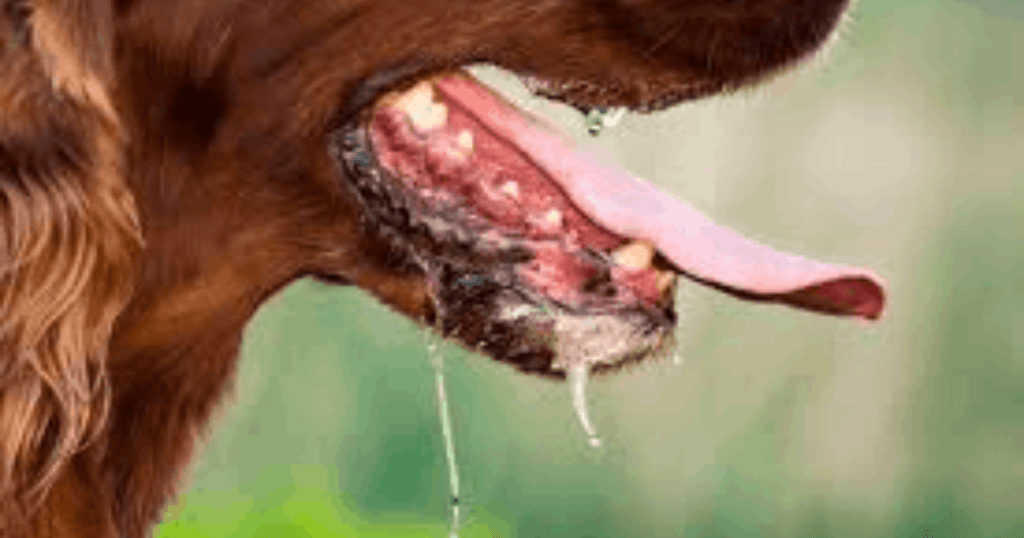
Food triggers excitement in dogs quickly. Their body prepares through food anticipation and increased saliva flow. This supports the digestion process. If you notice dog drooling after eating, it’s simply the body working as it should.
Scientists connect this to learned behavior. Dogs link smells to meals, so saliva increases before eating. This explains dog saliva behavior explained in simple terms. Many owners asking why do dogs slobber during meals are seeing a natural digestive response.
Heat Regulation and Cooling Mechanism
Dogs cannot sweat like humans do. Instead, they rely on panting in dogs and saliva to cool down. This process supports heat regulation and keeps their body safe. That is why dog drooling in heat becomes more noticeable.
Their dog cooling system works through evaporation. Drool helps release heat from the body. If drooling increases on hot days, it is normal. However, extreme drooling may signal danger, especially when paired with heavy panting.
Condition Drooling Level Meaning
Normal weather Low Regular comfort
Hot weather Medium Cooling response
Extreme heat High Risk warning
Stress and Anxiety Triggers
Emotions affect dogs deeply. When they feel nervous, stress in dogs can trigger extra saliva. This explains dog drooling, anxiety and dog behavior in situations like vet visits or loud sounds. Their body reacts quickly to anxiety triggers.
If your dog drools during travel or fear, it’s emotional. Many owners wonder reasons dogs drool excessively during stress. The answer lies in their nervous system. Drooling becomes a visible signal of discomfort and unease.
Dental Issues and Oral Health
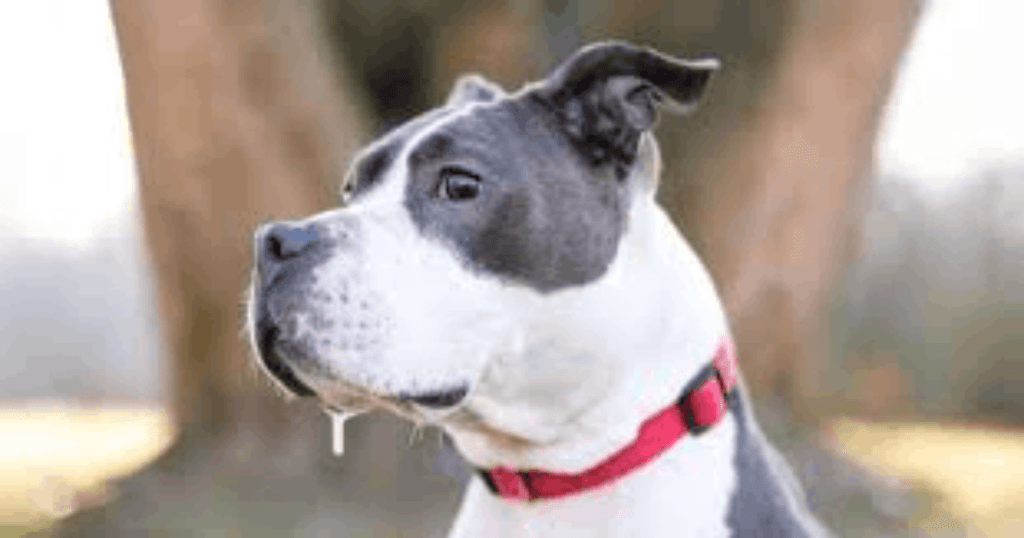
Mouth problems often cause unusual drooling. Conditions like dental problems in dogs or infections lead to pain. This results in extra saliva. Many cases of dog drooling health problems start in the mouth.
Poor oral health issues also create bad breath and difficulty eating. If you notice sudden drooling, check for injuries or objects stuck inside. This helps answer what causes sudden drooling in dogs in many real cases.
Nausea and Illness
Dogs often drool when they feel sick. Nausea in dogs increases saliva before vomiting. This explains sudden dog slobbering during illness. Many owners don’t realize this early warning sign.
Motion sickness also causes drooling. If your dog drools in the car, it may feel unwell. These signs connect to pet health signs that should not be ignored. Watching closely helps you act early.
Exposure to Toxins or Irritants
Sometimes drooling signals danger. Contact with chemicals leads to toxic exposure. This triggers sudden saliva production. Dogs may also react to irritants in mouth like bitter plants or cleaners.
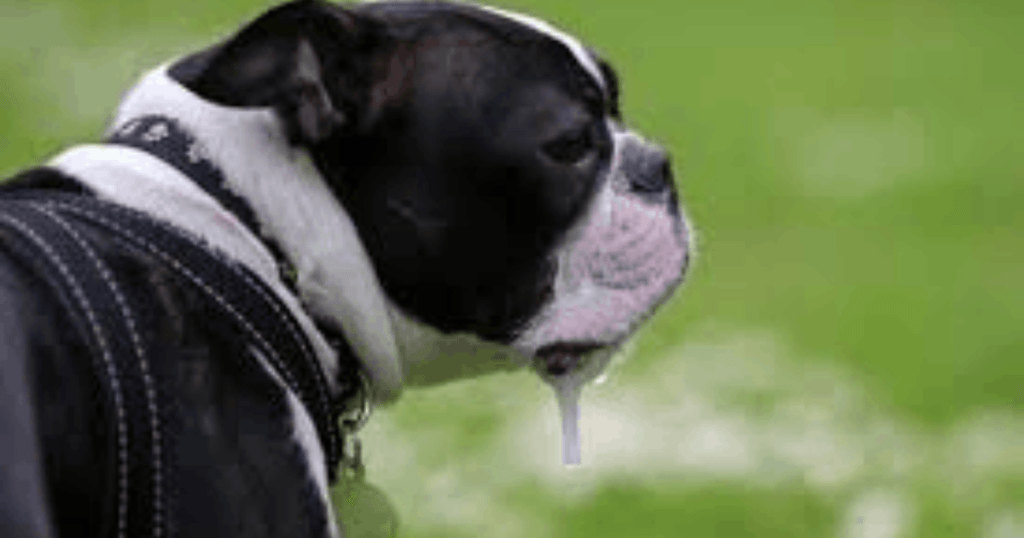
In such cases, drooling appears quickly and heavily. This is one of the serious excessive drooling in dogs symptoms. If your dog shows distress, seek help fast. Acting quickly can prevent harm.
Individual Differences in Dogs
Every dog is unique. Some drool more naturally due to genetics. Others drool less. These differences shape daily dog behavior and comfort levels.
Age also matters. Puppies drool during teething, while older dogs drool due to health changes. This explains why do dogs slobber differently across life stages. Observing patterns helps you understand your pet better.
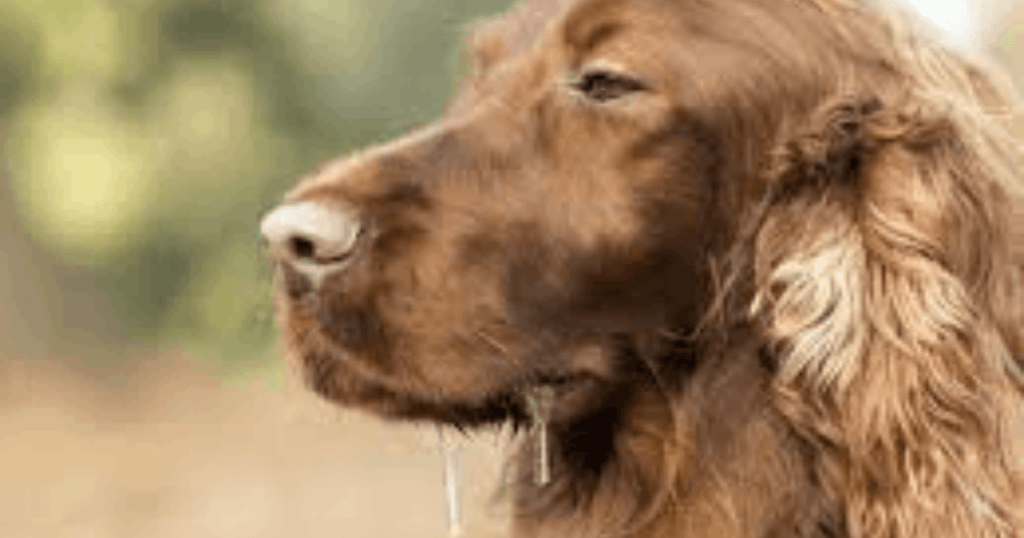
When Slobbering Becomes a Concern
Not all drooling is harmless. You should watch for sudden or extreme changes. Many owners ask when should I worry about dog drooling, and the answer depends on symptoms.
If drooling comes with pain, vomiting, or weakness, take action. Knowing how to stop dog drooling starts with finding the cause. Early care prevents serious issues and keeps your dog healthy.
Conclusion
So, why do dogs slobber? The answer combines biology, emotion, and environment. From dog drooling linked to food and heat to health warnings, this behavior tells a story.
Understanding these signs helps you respond better. Most drooling is normal. However, changes matter. When you learn the reasons, you build trust and care for your dog in a smarter way.
FAQs
When should I worry about my dog drooling?
Worry if it’s sudden, excessive, or paired with vomiting, weakness, or pain.
What does it mean when dogs slobber?
It usually means excitement, heat regulation, or normal saliva production.
Do dogs salivate when happy?
Yes, excitement and happiness can trigger mild drooling in some dogs.
What to give a dog for excessive drooling?
Treat the cause—hydration, cooling, or vet-prescribed meds if needed.
What home remedy stops drooling?
Keep your dog cool, calm, hydrated, and avoid stress or triggers.
Why is my old dog drooling a lot suddenly but acting fine?
It may be dental issues or aging-related changes—get a vet check.
Home remedies for dog drooling?
Provide fresh water, a cool space, and check mouth for irritation.
Why do dogs slobber all of a sudden?
Sudden drooling can mean nausea, toxins, stress, or mouth problems.
Is excessive drooling in dogs an emergency?
Yes, if combined with distress, poisoning signs, or neurological symptoms.
Excessive salivation in dogs symptoms?
Look for thick saliva, bad breath, vomiting, or behavior changes.
Dog drooling thick saliva?
Thick drool can indicate dehydration, oral issues, or toxin exposure.
Why do dogs drool when they see food?
It’s a natural digestive response triggered by anticipation of eating.
Dog suddenly drooling from one side of mouth?
This may suggest a dental issue, injury, or something stuck in the mouth.
