

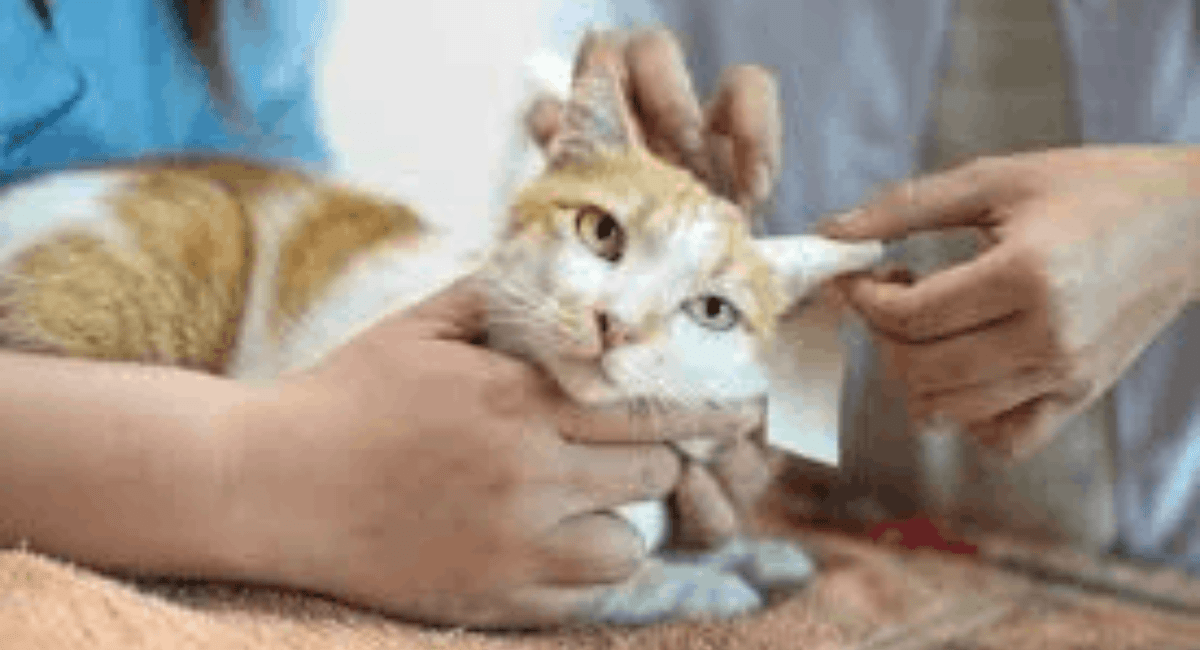
Neurological disorders in cats can feel confusing at first, especially when your pet suddenly acts differently. These conditions affect the nervous system, including the brain and spinal cord, which control movement and behavior. You may notice subtle signs like poor balance or unusual reactions.
Over time, these issues can develop into serious cat nervous system diseases if ignored. Early awareness helps you respond quickly and protect your cat’s health. Problems like balance problems in cats or strange habits often point to deeper brain disorders in cats. With proper care, attention, and timely treatment, many cats can still live a comfortable and happy life.
Overview of Neurological Disorders in Cats
Neurological disorders in cats affect the nervous system, including the brain, spinal cord, and nerves. These problems disturb normal movement and behavior. Many cat nervous system diseases develop slowly, while others appear suddenly. Early signs often seem small, yet they signal deeper brain disorders in cats.
When the nervous system fails, coordination issues in cats and cat behavior changes appear. You may notice confusion or strange reactions. These feline neurological conditions need quick attention. Understanding them helps improve feline health management and supports long-term stability.
Movement and Coordination Problems
Sudden trouble with walking often points to neurological disorders in cats. Cats may show balance problems in cats, stumble, or have poor coordination. Conditions like vestibular disease cause a head tilt and walking in circles, which can look alarming but may improve.
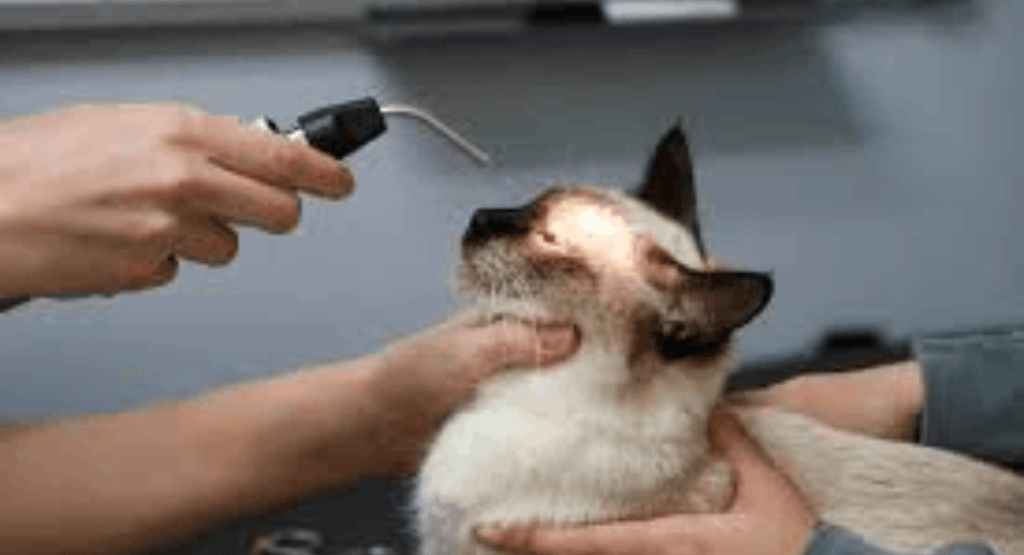
Damage to the spinal cord or nerves leads to spinal cord issues in cats and nerve damage in cats. Some cats struggle to jump or stand. Quick care reduces risk. Creating a pet safety environment helps prevent injuries during unstable movement.
Seizures and Their Causes
Seizures are one of the scariest signs of neurological disorders in cats. During episodes, cats lose control, shake, and show intense seizures. These may result from epilepsy or unknown causes like idiopathic epilepsy.
Many seizure disorders in cats link to toxins, injuries, or brain issues. Owners must stay calm and seek help quickly. Proper long-term pet care and medication reduce episodes and improve quality of life.
Infections Affecting the Nervous System
Certain infections affecting cats brain can cause serious neurological disorders in cats. Diseases like feline infectious peritonitis (FIP), toxoplasmosis, and rabies damage the brain and nerves.

These infections spread through contact or environment. Symptoms include fever and severe behavioral changes. Preventive care plays a big role. Vaccines and hygiene protect against dangerous cat nervous system diseases.
Trauma and Injury-Related Disorders
Physical trauma from falls or accidents often leads to neurological disorders in cats. Injuries may damage the spinal cord or brain, causing paralysis or loss of control.
These feline trauma injuries require urgent care. Without treatment, cats may develop chronic pain or permanent damage. Recovery improves with early help and structured cat recovery and rehabilitation plans.
Brain and Spinal Cord Tumors
Growths in the brain or spinal cord are serious causes of neurological disorders in cats. These tumors may press on tissues and disrupt function. Many cases involve cat brain tumors in older pets.
Diagnosis uses tools like MRI and CT scan, which are key parts of cat diagnostic imaging. Treatment depends on size and location. Early detection improves chances of better outcomes.
Degenerative Neurological Diseases
Aging often brings degenerative diseases in cats. These affect aging cats brain health and lead to cognitive dysfunction in cats, similar to dementia in humans.
Cats may forget routines or show unusual habits. These chronic neurological conditions worsen over time. However, proper support and routine improve comfort and help manage symptoms.
Diagnosis of Neurological Disorders
Diagnosing neurological disorders in cats early development and health care requires a detailed neurological exam. Vets study reflexes, posture, and reactions. They often use blood work and spinal fluid analysis for deeper insight.
Below is a simple diagnostic table:
Test Purpose
Blood Work Detect infection or imbalance
MRI / CT Scan View brain and spine
Spinal Fluid Analysis Identify inflammation
These steps confirm the issue and guide treatment.
Treatment and Management Options
Treatment for neurological disorders in cats depends on the cause. Doctors use medication to control symptoms like inflammation and seizures. Severe cases may need surgery.
Rehabilitation also helps. Methods like physical therapy support healing and restore movement. Combined with proper feline health management, many cats improve and live comfortably.

Living with a Neurologically Affected Cat
Living with neurological disorders in cats requires patience and care. You must create a safe environment where your cat feels secure and relaxed.
Simple changes help greatly. Keep routines steady and reduce stress. With love and attention, cats adapt well. This approach improves both comfort and long-term cat recovery and rehabilitation.
Conclusion
Neurological disorders in cats may seem overwhelming at first. However, early care and awareness make a huge difference.
With proper diagnosis, treatment, and consistent care, your cat can live a fulfilling life. Stay alert to changes and always seek expert help when needed.
FAQs
- What is the most common neurological disorder in cats?
Seizure disorders, especially epilepsy, are among the most common neurological issues in cats. - What are the first signs of neurological disease?
Early signs include poor balance, confusion, head tilt, and unusual behavior changes. - Is there anything that helps cats with neurological issues?
Yes, proper medication, a safe environment, and regular vet care can greatly improve their condition. - What is the silent killer of cats?
Kidney disease is often called the silent killer because symptoms appear very late. - How do cats say goodbye?
Cats may hide, become quiet, eat less, and seek solitude when they sense the end. - What is the one smell cats hate?
Most cats strongly dislike citrus smells like lemon or orange. - Signs of neurological disorders in cats?
Common signs include seizures, imbalance, weakness, and sudden behavior changes. - Signs of neurological disorders in cats back legs?
Weakness, dragging legs, wobbling, or inability to stand are key signs. - Treatment for neurological disorders in cats at home?
Home care includes medication, safe spaces, routine, and monitoring symptoms closely. - Cat neurological disorder walking?
Cats may walk in circles, stumble, or show unsteady movement. - Can neurological disorders in cats be cured?
Some can be treated or managed, but not all are fully curable. - Neurological disorders in cats that cause aggression?
Brain tumors, infections, or trauma can sometimes lead to sudden aggression. - Neurological disorders in cats eyes?
Signs include abnormal eye movement, unequal pupils, or vision loss. - Treatment for neurological disorders in cats cost?
Costs range from $100 to $3,000+ depending on diagnosis, tests, and treatment.
