

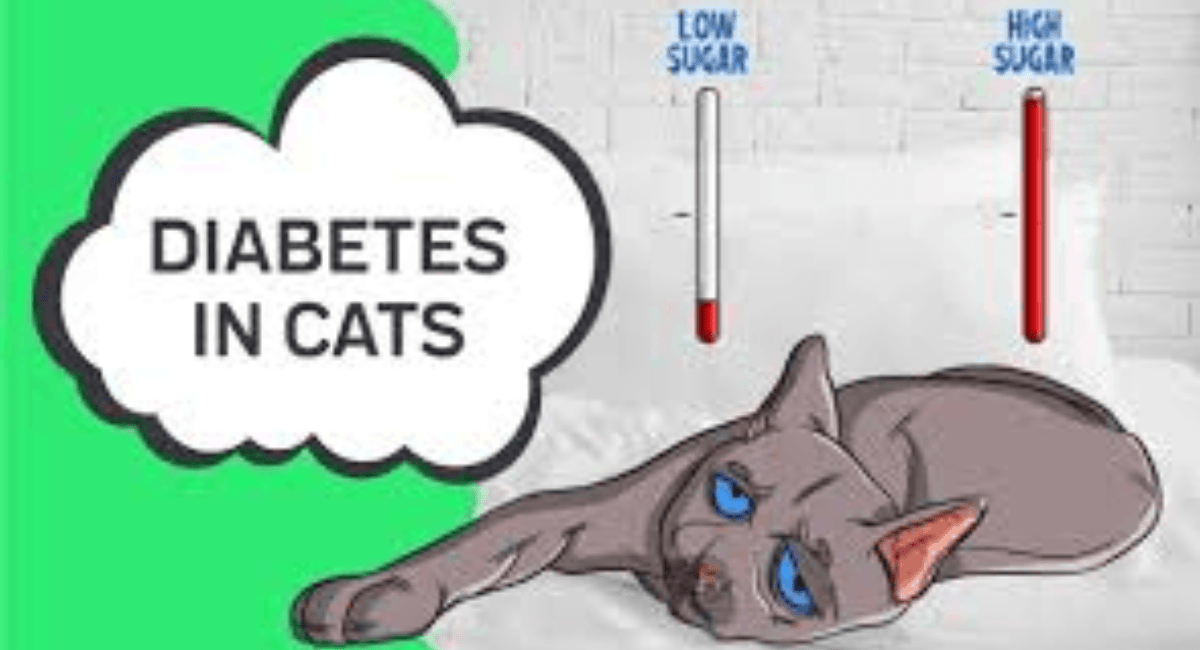
Cats with diabetes are becoming more common, especially in indoor pets with limited activity. This condition, known as feline diabetes, affects how a cat’s body controls sugar and energy. Poor blood sugar regulation leads to rising glucose levels in cats, which can harm organs over time.
Many cases develop due to obesity in cats, making diet and lifestyle very important. You might notice subtle signs at first, but early awareness can make a big difference. With proper care, routine checks, and the right treatment, you can help your cat live a healthy and comfortable life despite this condition.
Introduction to Feline Diabetes
Cats with diabetes are becoming more common in the United States. This condition, also called feline diabetes mellitus, happens when the pancreas cannot manage blood glucose properly. As a result, sugar builds up in the blood instead of giving energy. This links closely with feline diabetes, diabetes mellitus in cats, and poor blood sugar regulation. It can be cured with cat development and medical care.
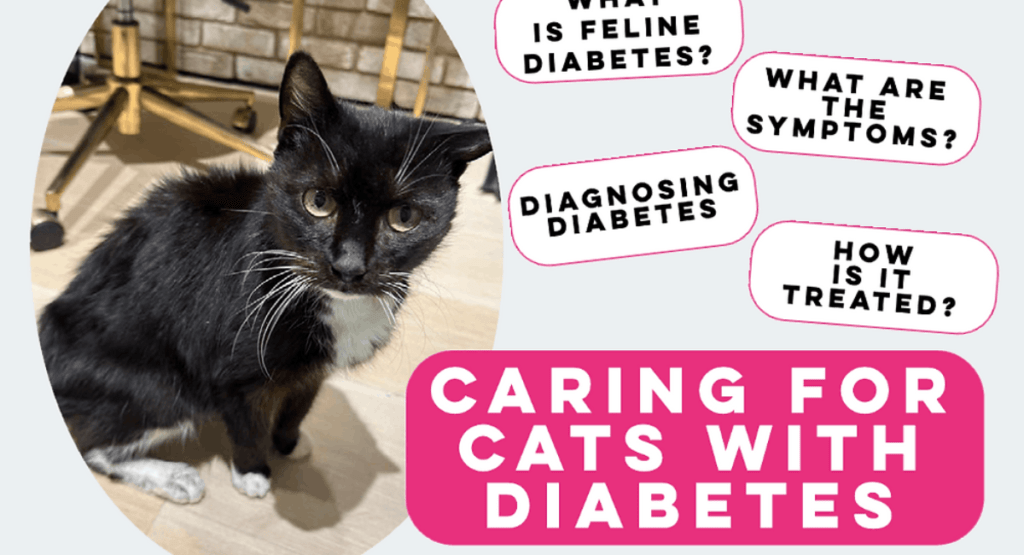
Most cases resemble type 2 diabetes, where insulin resistance in cats develops slowly. The issue often appears in middle-aged cats and neutered male cats. Poor pancreas function and rising glucose levels in cats make it a serious but manageable chronic disease in cats with proper pet diabetes care.
Causes and Risk Factors
The biggest trigger behind cats with diabetes is obesity. Many U.S. pets eat commercial cat food filled with carbohydrates. Over time, this harms overweight cats health and leads to cat metabolism disorders. Low physical activity and indoor living also increase risk.
Certain breeds like Burmese cats are more prone. Medicines such as corticosteroids can disrupt insulin production. Together, these factors affect cat lifestyle changes and require early focus on managing feline diabetes to avoid long-term damage.
Symptoms of Diabetes in Cats
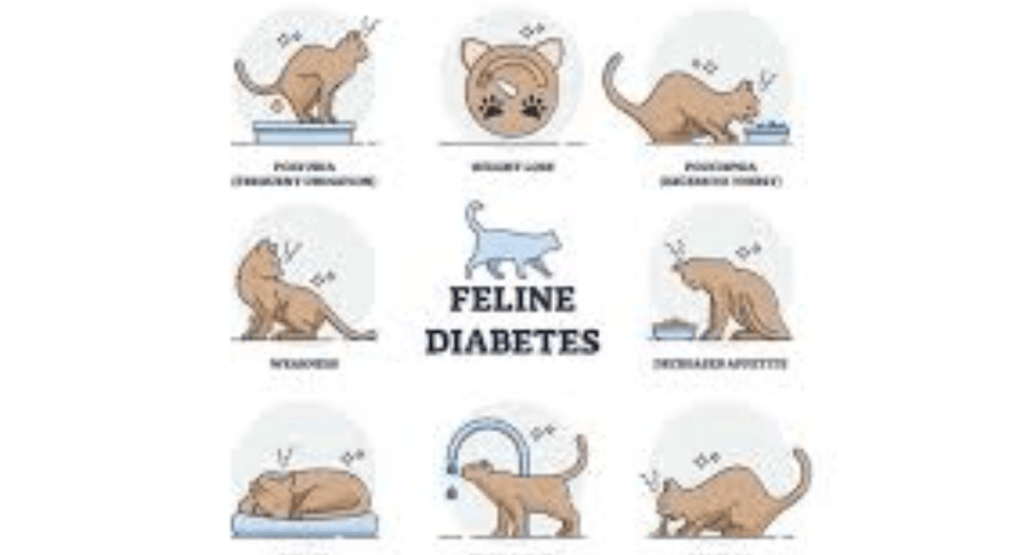
Early signs of cats with diabetes are easy to miss. You may notice increased thirst in cats and frequent urination in cats, known as polydipsia and polyuria. Many cats also show polyphagia, yet still experience weight loss in cats.

As the disease worsens, lethargy and poor grooming habits appear. Severe cases lead to diabetic neuropathy in cats, causing hind leg weakness and a plantigrade stance. These symptoms signal urgent veterinary care is needed.
Diagnosis of Feline Diabetes
Diagnosing cats with diabetes requires careful veterinary diagnosis. Vets perform blood tests and urine tests to check blood glucose levels. However, stress can affect results, so fructosamine levels help confirm long-term sugar imbalance.
Below is a simple comparison used in clinics:
Test Type Purpose
Blood Tests Measure current glucose
Urine Tests Detect sugar in urine
Fructosamine Shows average glucose
These tools help identify glucose accumulation and guide treatment.
Treatment and Management
Treating cats with diabetes focuses on restoring balance. Most cats need insulin therapy through insulin injections for cats. These injections support the body when natural insulin production fails.

Diet plays a huge role. A high-protein cat diet and low-carbohydrate diet for cats improve cat diet management. Many vets suggest wet food over dry kibble. Consistent feeding supports stable glucose monitoring in cats.
Monitoring and Care
Daily care is essential for cats with diabetes. Owners must follow strict routine management and track eating, drinking, and behavior. Regular glucose monitoring in cats ensures safe levels.
Some owners use home glucose monitoring tools. Vets may also run blood glucose curves to adjust treatment. This ongoing attention improves pet diabetes care and prevents dangerous drops in sugar.
Possibility of Remission
One hopeful fact about cats with diabetes is the chance of remission. With early action and proper diet, some cats stop needing insulin injections. This depends on quick diagnosis and strict cat lifestyle changes.
However, remission is not a cure. Owners must continue managing feline diabetes carefully. Even after recovery, poor diet or weight gain can cause relapse, especially in cats with past obesity in cats.
Living with a Diabetic Cat
Living with cats with diabetes becomes easier over time. Many pet owners adjust routines quickly. Feeding schedules, injections, and observation become part of daily life.
Think of it like caring for a family member with special needs. With patience and love, cats stay happy. Proper cat health conditions management allows them to live long, comfortable lives despite this condition.
Conclusion
In summary, cats with diabetes need early care and steady attention. From spotting signs to giving insulin injections, every step matters. With the right diet and monitoring, this condition becomes manageable.
If you act early and stay consistent, your cat can thrive. Focus on healthy food, regular checks, and proper veterinary care. That effort makes all the difference in their life.
FAQs
- What is the lifespan of a diabetic cat?
With proper care, a diabetic cat can live 5–10 years or even longer. - Does diabetes cause pain in cats?
Diabetes itself isn’t painful, but complications like nerve damage can cause discomfort. - How much does it cost to take care of a diabetic cat?
Costs range from $50 to $300 per month depending on insulin, food, and vet visits. - What happens if you don’t give insulin to a diabetic cat?
Without insulin, blood sugar rises dangerously and can lead to death. - What not to feed a cat with diabetes?
Avoid high-carb foods like dry kibble, grains, and sugary treats. - What are the last stages of diabetes before death in cats?
Severe weakness, dehydration, vomiting, and coma may occur in advanced stages. - Treating diabetes in cats without insulin?
Some mild cases improve with strict diet changes, but most cats still need insulin. - Cat diabetes treatment?
Treatment includes insulin injections, proper diet, and regular monitoring. - Cats with diabetes symptoms?
Common signs include thirst, urination, weight loss, and increased appetite. - What are the first signs of diabetes in cats?
Early signs are increased thirst and frequent urination. - Type 2 diabetes in cats?
This is the most common type, caused by insulin resistance. - Senior cat diabetes symptoms?
Older cats show weight loss, weakness, and reduced activity. - Older cats with diabetes?
They can live well with treatment but need closer monitoring. - Type 1 diabetes in cats?
It’s rare and occurs when the body stops producing insulin completely.
