

Ever wondered what do cat hairballs look like when your pet suddenly starts gagging? Many owners imagine a neat ball, yet reality feels quite different. These strange clumps form when cats swallow loose fur during daily grooming. Over time, the feline digestive system struggles to move excess hair smoothly. That’s when your cat expels it.
Understanding the cat hairball appearance helps you stay calm and act smart. It also lets you spot unusual symptoms early. With better awareness and simple hairball prevention habits, you can improve comfort, reduce mess, and protect your cat’s overall health without stress.
Typical Appearance of Cat Hairballs in What Do Cat Hairballs Look Like
At first sight, cat hairballs look like damp, narrow logs in cat health issues and development stages. They form inside the digestive system after grooming and swallowing loose fur. This explains the odd shape. The cat hairball appearance depends on coat color and cat shedding patterns.
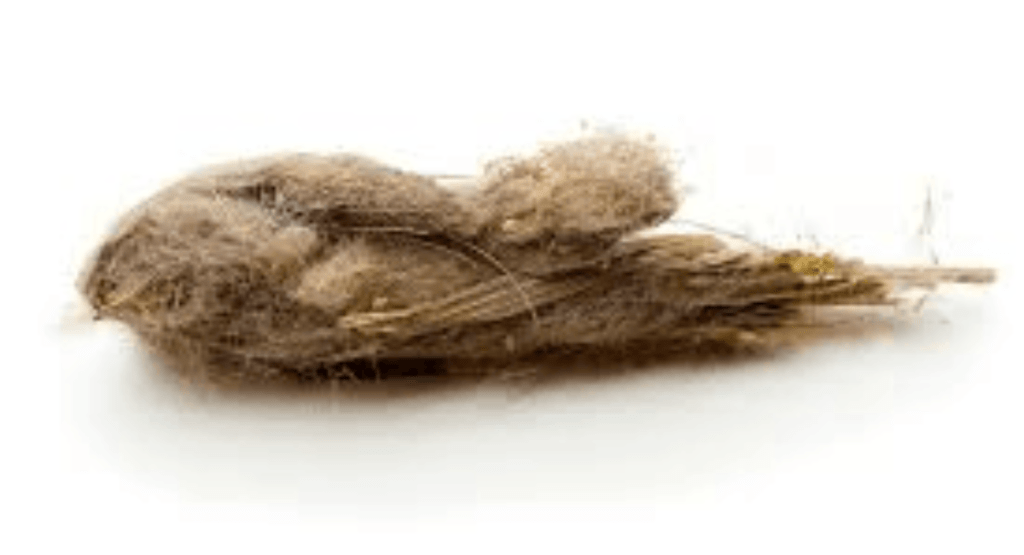
Fresh ones look wet and shiny due to mucus and bile from the stomach. Dry ones become lighter and crumbly. Regular brushing reduces buildup. Good feline grooming and smart cat fur management improve overall health and reduce frequent symptoms.
Common Variations You Might See in What Do Cat Hairballs Look Like
Sometimes, cat hairballs appear messy or mixed with food. This happens when vomit joins the expelled hair. Seasonal changes increase shedding, especially during seasonal shedding in cats. This leads to larger clumps and stronger gagging episodes.
In some cases, hairballs look loose instead of firm. That signals weak compaction in the feline digestive system. Proper diet and hydration support smoother digestion. Following a solid cat grooming routine improves digestive health in cats and limits frequent coughing.
Hairballs vs. Vomit: How to Tell the Difference in What Do Cat Hairballs Look Like
Many owners confuse cat hairballs with regular vomit. However, the difference is clear once you know what to check. Hairballs are firm and shaped like tubes. Vomit spreads quickly and looks watery. The presence of bile also makes vomit smell stronger.
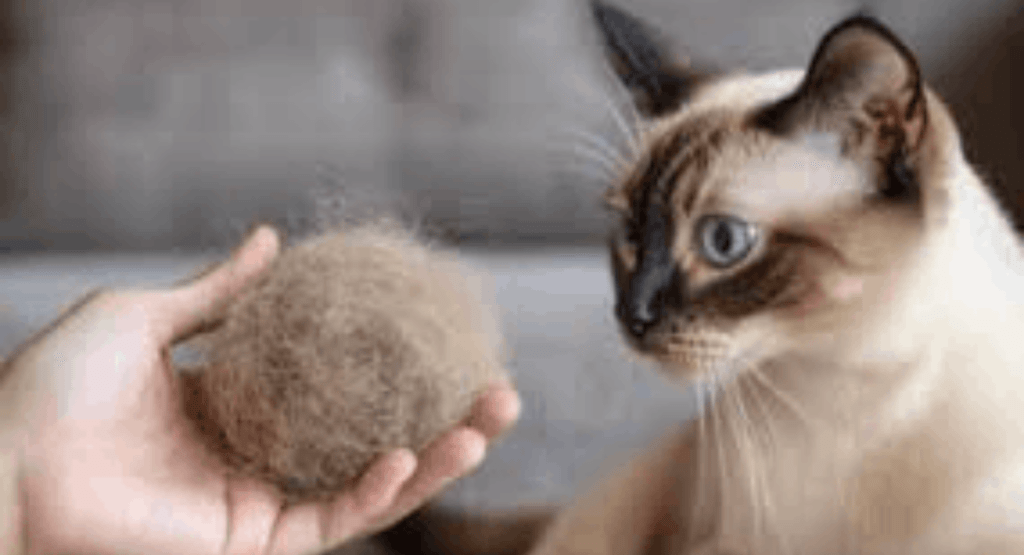
Before expelling a hairball, cats show signs like repeated gagging and deep coughing. Vomiting happens faster and without rhythm. Watching these symptoms helps prevent serious cat health issues. Good observation supports early action and protects your pet’s health.
When Hairballs Are Normal—and When They’re Not in What Do Cat Hairballs Look Like
Occasional cat hairballs are normal. They show that the digestive system is clearing swallowed fur. However, frequent episodes may signal hidden cat stomach issues. Poor pet hygiene or stress can worsen grooming habits.
If your cat shows weakness or refuses food, act quickly. A possible blockage can become dangerous. Consult a veterinarian if symptoms continue. Following feline care habits and a proper pet care routine helps prevent serious health risks.
Tips to Reduce Hairballs in What Do Cat Hairballs Look Like
Reducing cat hairballs starts with daily brushing. This removes loose hair before it reaches the stomach. Using quality grooming tools for cats improves efficiency. Consistent cat grooming routine supports better hairball prevention.
Nutrition also plays a key role. A balanced diet improves digestive health in cats. Proper hydration keeps the digestive system moving smoothly. Many owners also use safe hairball remedies as part of indoor cat care and long-term cat wellness tips.
Final Thoughts on What Do Cat Hairballs Look Like
Understanding what do cat hairballs look like gives you control. It helps you spot early warning signs and protect your pet’s health. Smart care reduces stress for both you and your cats.
Good habits make all the difference. Regular grooming, balanced diet, and proper hydration support long-term comfort. Following simple steps improves long-haired cats care and builds a healthier, happier life for your pet.
FAQs
- How often do cats bring up hairballs?
Most cats bring up hairballs once every 1–2 weeks, though some may do it less often. - How to help a cat with a hairball?
Brush regularly, provide water, and use vet-approved hairball remedies or special food. - Does wet food help with hairballs?
Yes, wet food improves hydration and helps hair pass through the digestive system. - How can you tell if a cat has a hairball blockage?
Watch for constant gagging, no hairball produced, loss of appetite, and lethargy. - Can cats poop out hairballs?
Yes, most swallowed hair passes through the digestive system and comes out in stool. - What is the silent killer of cats?
Kidney disease is often called the silent killer because symptoms appear late. - How long can it take a cat to pass a hairball?
It can take a few hours to a couple of days depending on digestion. - At what age do cats throw up hairballs?
Usually after 1 year old when grooming habits are fully developed. - How to prevent hairballs in cats?
Regular brushing, proper diet, hydration, and grooming reduce hair buildup. - Cat hairball blockage symptoms?
Repeated gagging, vomiting without results, constipation, and low energy. - How to prevent hairballs in cats naturally?
Use natural fiber foods, frequent brushing, and keep your cat well hydrated. - Cat hairball vomit?
It’s a tube-shaped clump of fur mixed with mucus or digestive fluid. - Cat hairball looks like poop?
Sometimes yes, especially when dry, but hairballs are usually tubular and matted. - Cat hairball treatment?
Use hairball gels, special diets, grooming, and consult a vet if frequent. - Cat trying to cough up hairball but can’t?
This may signal a blockage—seek veterinary help immediately. - What causes hairballs in cats?
Excess grooming, shedding, poor diet, and lack of fiber or hydration.