

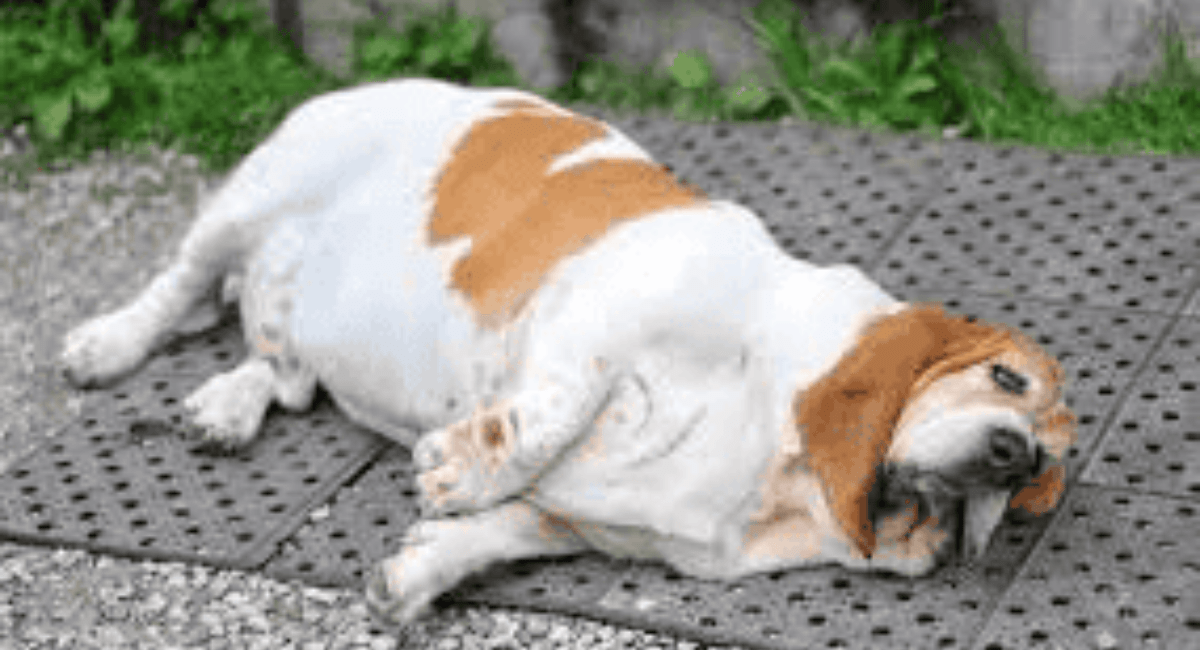
Bloat in dogs is a sudden and dangerous condition that can turn critical within hours. Many pet owners don’t realize that the first signs of bloat in a dog often appear subtle at the start. This serious issue, known as gastric dilatation-volvulus (GDV), involves rapid gas buildup in dogs and painful stomach expansion. As pressure increases, it can lead to dog stomach twisting, cutting off blood flow and causing severe complications. Because this is a true emergency dog illness, early detection is essential. Understanding these warning signals helps you act quickly, reduce risks, and protect your dog from a potentially life-threatening situation.
Early Signs of Bloat in Dogs
The earliest phase often looks mild. However, it hides a serious dog digestive emergency. Many owners ignore these dog health warning signs because they seem small at first. Yet, these subtle changes are the true early warning signs of GDV.
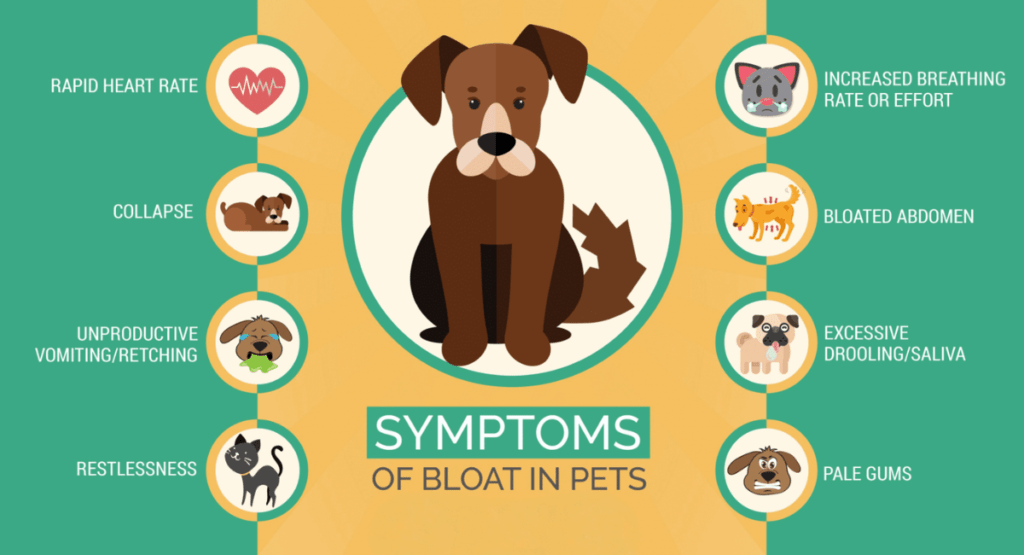
You may notice dog acting uncomfortable and anxious or showing dog nausea symptoms. These are not random behaviors. They signal gas buildup in dogs and early stomach distension in dogs. If you wonder how to tell if a dog has bloat, this stage is your first clue.
Restlessness and Anxiety
One of the clearest answers to what are the first signs of bloat in a dog is behavior change. A calm dog may suddenly show dog pacing and not settling. It feels like they cannot get comfortable.
This happens because of growing abdominal pressure in dogs. The discomfort builds quickly. Many owners describe their dog as dog acting uncomfortable and anxious. This is one of the most ignored canine emergency symptoms related to canine health issues and medical care.
Unproductive Retching or Vomiting
Here is a critical sign. Your dog may show dog retching but nothing coming out. Owners often ask, “why is my dog trying to vomit but can’t”, and this is a major red flag.
These dog vomiting attempts happen because of internal blockage in dogs caused by twisting. This symptom strongly indicates a canine bloat condition. It is one of the most dangerous answers to what are the first signs of bloat in a dog.
Swollen or Distended Abdomen
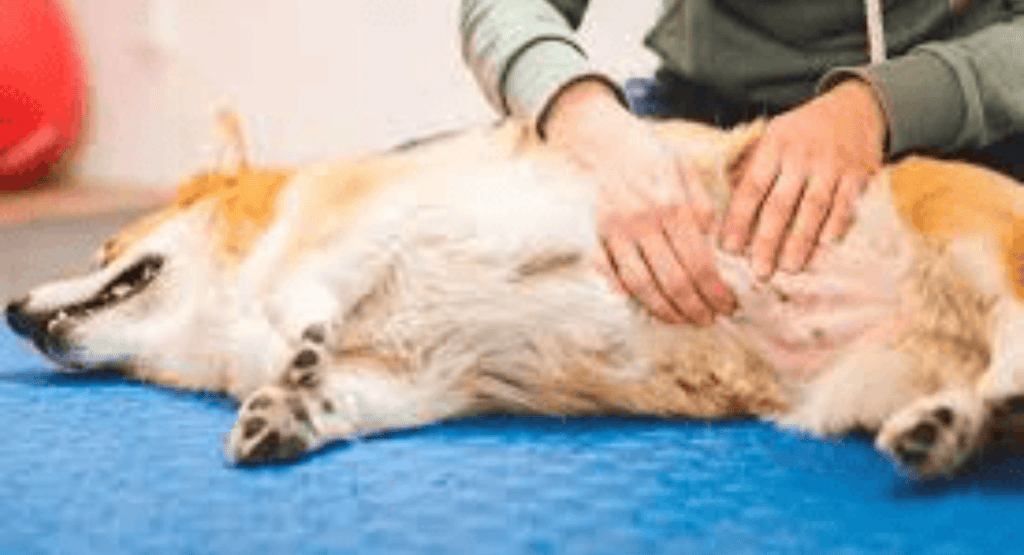
A visible clue appears when the dog stomach looks swollen. The belly may feel tight like a drum. This is due to dog stomach expansion and trapped gas.
This swelling is called swollen abdomen in dogs. It results from severe stomach distension in dogs. If you are wondering what does bloat look like in dogs, this is the most physical sign to check.
Excessive Drooling
Another early clue is dog drooling excessively and restless behavior. Drooling happens because of nausea and stress.
This links to dog nausea symptoms and internal discomfort. Many owners ignore it. However, it often appears early in symptoms of bloat in dogs and signals a developing emergency dog illness.
Changes in Breathing
As pressure builds, breathing changes. You may notice dog breathing fast and bloated stomach. This happens because the stomach presses the lungs.
This is a serious escalation. It shows worsening abdominal pressure in dogs. These are clear signs of emergency in dogs and require urgent veterinary emergency care.
Signs of Pain and Discomfort
Pain is constant in bloat. Your dog may whine, stretch, or avoid touch. These are clear dog abdominal swelling symptoms.
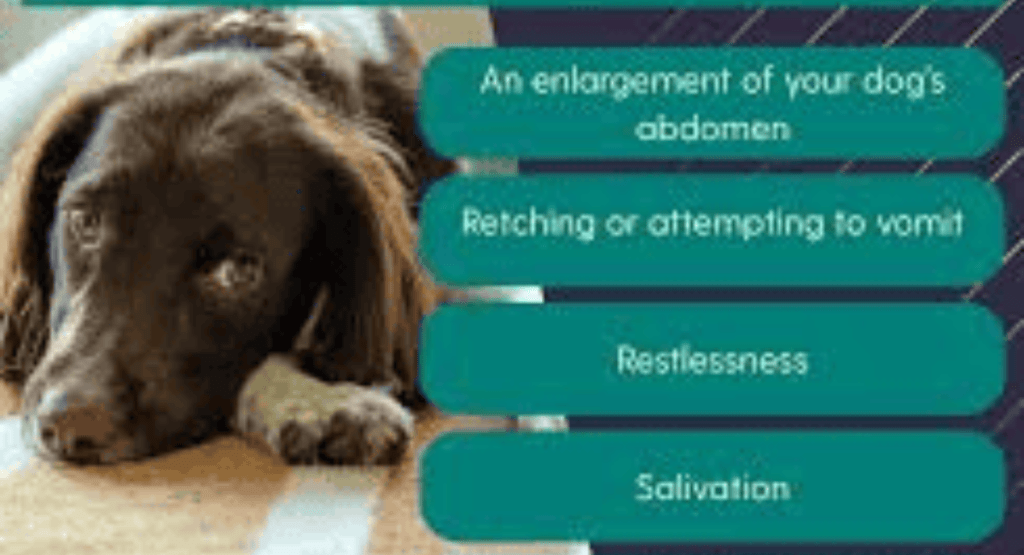
You may also see dog acting uncomfortable and anxious again. Pain increases as the canine bloat condition worsens. These signs help answer what are the first signs of bloat in a dog before collapse occurs.
Advanced Symptoms of Bloat
As bloat worsens, symptoms become severe. You may notice dog lethargy and pale gums. This means poor blood flow.
At this stage, shock begins. This is a true life-threatening dog condition. Many ask, can dogs die from bloat, and sadly, yes. Without fast help, this dog digestive emergency can be fatal.
Causes and Risk Factors
Understanding what causes bloat in dogs helps prevention. Large meals, fast eating, and stress increase risk. These are common dog bloating causes.
Certain deep-chested dog breeds face higher risk. These include Great Danes and German Shepherds. These are known GDV risk factors that increase chances of dog stomach twisting.
Risk Overview Table
Factor Risk Level Explanation
Large meals High Causes rapid gas buildup in dogs
Fast eating High Leads to stomach distension in dogs
Exercise after eating Medium Triggers stomach movement
Breed type High Seen in deep-chested dog breeds
Stress Medium Affects digestion and airflow
What to Do If You Suspect Bloat
If you notice the first signs of bloat in a dog, act fast. Do not wait. Search for when to take dog to the vet immediately, and the answer is now.
Bloat is a true emergency dog illness. Go directly for veterinary emergency care. Delay increases risk of death. This is one of the most urgent canine emergency symptoms you will ever face.
Quick Emergency Checklist for Dog Owners
Time matters here. If you suspect bloat, stay calm and move quickly. Recognizing what are the first signs of bloat in a dog is only useful if you act.
Step Action
1 Call emergency vet immediately
2 Do not give food or water
3 Transport dog safely and quickly
4 Watch breathing and gums
5 Prepare for urgent treatment
Conclusion
Understanding what are the first signs of bloat in a dog can save your dog’s life. Early signs like restlessness, swelling, and failed vomiting attempts are not small issues.
Bloat progresses fast. Knowing how quickly does bloat happen in dogs helps you act faster. Stay alert to emergency signs in large dog breeds. Your quick action can mean the difference between life and loss.
Meta Description
Learn the first signs of bloat in a dog, early symptoms, causes, and when to act fast to save your dog’s life.
FAQs
What can be mistaken for dog bloat?
Gas, overeating, constipation, or stomach upset can look similar but lack severe distress signs.
How quickly do dogs show signs of bloat?
Signs can appear suddenly, often within 30 minutes to a few hours after eating.
What relieves bloating fast in dogs?
Only emergency vet treatment works; home remedies are unsafe for true bloat.
Will a dog with bloat lay down?
They may try but usually can’t stay down due to pain and discomfort.
Will a dog poop if he has bloat?
Sometimes early on, but bowel movements often stop as the condition worsens.
How to tell if a dog’s stomach is twisted?
Look for a hard swollen belly, unproductive retching, and rapid decline.
Will a dog with bloat sleep at night?
No, they are usually restless, anxious, and unable to settle or sleep.
Will a dog with bloat drink water?
They may try, but often refuse or cannot keep it down.
Dog bloat timeline?
It can progress from mild signs to life-threatening shock within a few hours.
What causes bloat in dogs?
Large meals, fast eating, stress, and genetics increase the risk.
Dog bloated stomach home remedy?
There is no safe home remedy; immediate veterinary care is required.
Dog bloat symptoms?
Restlessness, swollen abdomen, drooling, retching, and rapid breathing.
How common is bloat in dogs?
It’s relatively uncommon but higher in large and deep-chested breeds.
How to avoid bloat in dogs?
Feed smaller meals, slow eating, avoid exercise after meals, reduce stress.
What does bloat look like in dogs?
A tight swollen belly, pacing, drooling, and failed vomiting attempts.
Simple bloat in dogs?
Mild gas without twisting; still needs monitoring but less dangerous than GDV.
