


Short white worms in dog poop can catch you off guard. One moment your dog seems fine, then you notice something unusual in the stool. These tiny, rice-like pieces often point to tapeworms in dogs, one of the most common intestinal parasites in dogs. While it may look scary, this issue is usually treatable with the right care.
Sometimes, these worms in dog stool appear due to a hidden dog worm infection linked to fleas or poor hygiene. Understanding what’s happening inside your dog’s body helps you act fast. Protecting dog intestinal health starts with awareness and simple daily habits.
What Are Short White Worms in Dog Poop?
Short white worms in dog poop often look like rice grains. Many owners ask what are the white worms in my dog’s poop when they first notice them. These pieces are usually parts of tapeworms in dogs or other intestinal parasites in dogs that live inside the gut.
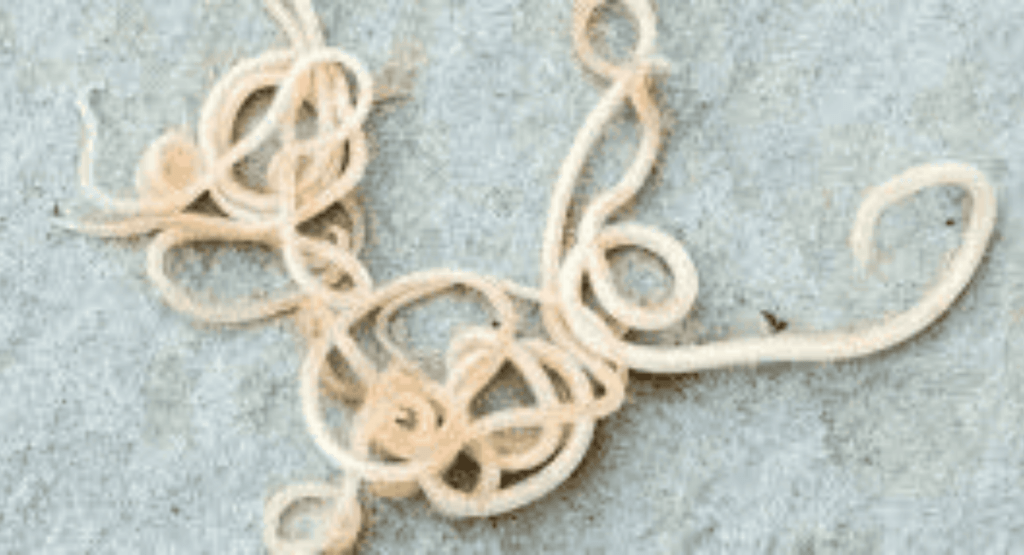
You may also wonder why does my dog have white worms in stool suddenly. These worms break off and appear as worms in dog stool or near the tail. This often signals a dog worm infection that needs attention. Early detection helps protect your dog’s comfort and health.
Tapeworms: The Most Common Cause
Short white worms in dog poop most often come from tapeworms. People often ask what do tapeworm segments look like, and they resemble moving rice grains. These tapeworms in dogs attach to the intestine and release segments daily.
You might wonder how do dogs get tapeworms in the first place. The answer lies in fleas and tapeworms working together. Dogs swallow infected fleas during grooming. This leads to a cycle of infection, especially during flea infestation in dogs seasons.
Other Types of Intestinal Worms
Short white worms in dog poop may also relate to other parasites. Though less visible, roundworms in dogs, hookworms in dogs, and whipworms in dogs can affect the gut. These are common intestinal parasites in dogs that harm digestion.
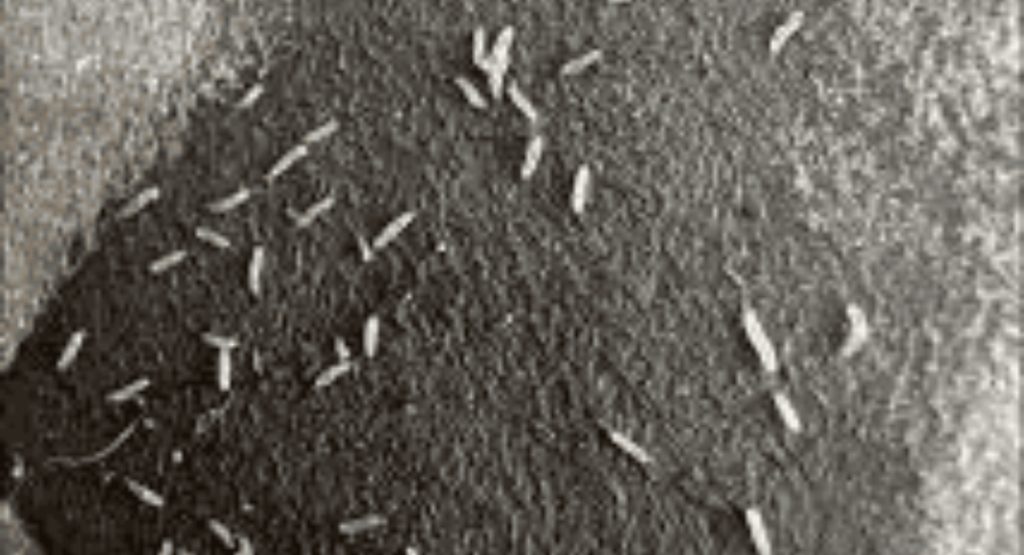
Owners often ask are white worms in dog poop dangerous when they see them. The risk increases if untreated. These worms weaken dog intestinal health over time. Severe cases of dog health and parasites can lead to weight loss and fatigue.
Symptoms of Worm Infection in Dogs
Short white worms in dog poop often appear with clear signs. You may notice dog scooting behavior or dog licking rear frequently. Many ask why is my dog scooting on the floor, and worms often cause that irritation.
Other signs of worms in dogs include dull coat, loose stool, and low energy. These symptoms show a growing dog worm infection. Ignoring them may worsen the problem and affect overall dog health and parasites balance.
Treatment Options for Worms
Short white worms in dog poop can be treated easily with proper care. Many ask how to get rid of worms in dog poop, and the answer starts with dog parasite treatment. Vets often prescribe deworming medication for dogs for quick results.

Some owners try how to treat tapeworms in dogs at home, yet expert care works best. You might also wonder do I need a vet for dog worms, and the answer is yes in most cases. Early treatment protects dog intestinal health and prevents spread.
Treatment Type Purpose
Deworming meds Kill parasites
Vet diagnosis Confirm worm type
Follow-up care Prevent reinfection
Importance of Flea Control
Short white worms in dog poop often return if fleas remain. Many ask can fleas cause worms in dogs, and the answer is yes. The link between fleas and tapeworms makes flea control essential.
Without proper care, flea infestation in dogs leads to repeated infections. Managing fleas supports long-term parasite prevention in dogs. This step is simple yet often overlooked by many pet owners.
Prevention and Hygiene Tips
Short white worms in dog poop can be avoided with good habits. Focus on dog hygiene and sanitation and regular cleaning. Simple steps like cleaning dog bedding reduce parasite risks.
Many ask how to prevent worms in dogs naturally, and the answer includes routine care. Regular checks and proper feeding improve dog intestinal health. Prevention always works better than treatment in the long run.
Risks to Humans
Short white worms in dog poop may affect people too. Many wonder can humans get worms from dogs, and some parasites can spread. These are known as zoonotic parasites in dogs.
You should take care, especially with children. Poor hygiene increases risk from dog health and parasites exposure. Always wash hands and keep your home clean to stay safe.
When Short White Worms in Dog Poop Become Serious
Short white worms in dog poop become serious when ignored. Many ask what happens if dog worms are untreated, and the answer can include severe illness.
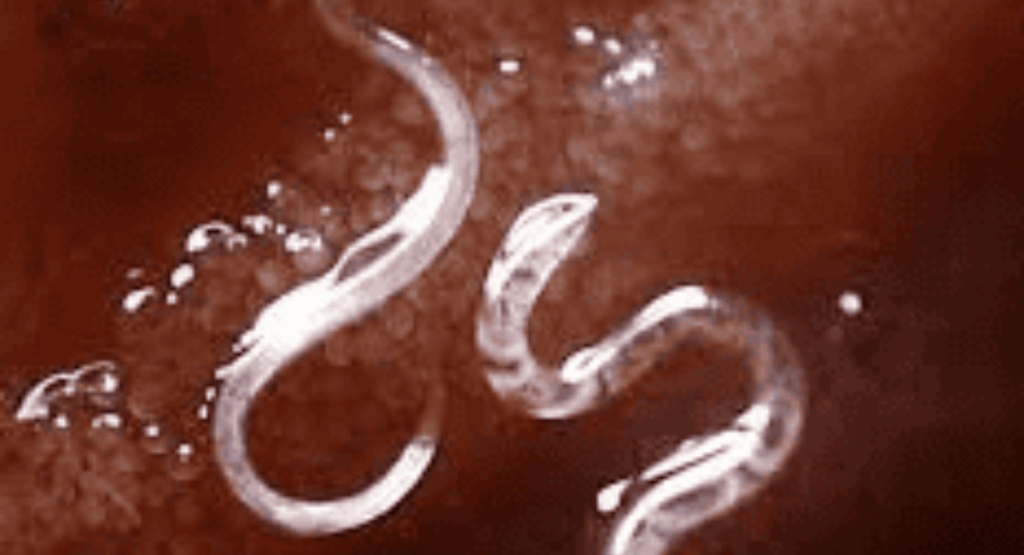
If symptoms grow worse, seek help quickly. Early action protects your dog and prevents complications.
Conclusion
Short white worms in dog poop are common yet treatable. Understanding causes and acting early makes a big difference.
With proper care, your dog stays healthy and active. Simple habits protect them from future infections.
Meta Description
Short white worms in dog poop? Learn causes, treatment, and prevention tips to keep your dog healthy and parasite-free.
FAQs
How do I get rid of little white worms in my dog’s poop?
Use vet-prescribed deworming medication and treat fleas to stop reinfection.
How did my dog get tapeworms at home?
Dogs usually get tapeworms by swallowing infected fleas during grooming.
Are little white worms in poop normal?
No, they are not normal and usually indicate a parasite infection.
How do I get rid of pinworms in my dog?
Dogs rarely get pinworms; proper deworming medication from a vet is needed.
Can dogs pass pinworms to humans?
No, canine worms are different; dogs don’t usually transmit pinworms to humans.
Can I deworm my dog myself naturally?
Natural remedies may help slightly, but they don’t fully remove worms.
Can I deworm my dog without going to the vet?
Some OTC options exist, but correct diagnosis from a vet is safer and more effective.
What are the first signs of worms in dogs?
Scooting, weight loss, diarrhea, and visible worms in stool are early signs.
How did my dog get pinworms?
Dogs typically don’t get pinworms; they get other intestinal parasites instead.
Can pinworms live in pillows?
Pinworms can survive briefly on surfaces, but proper hygiene reduces risk.
