

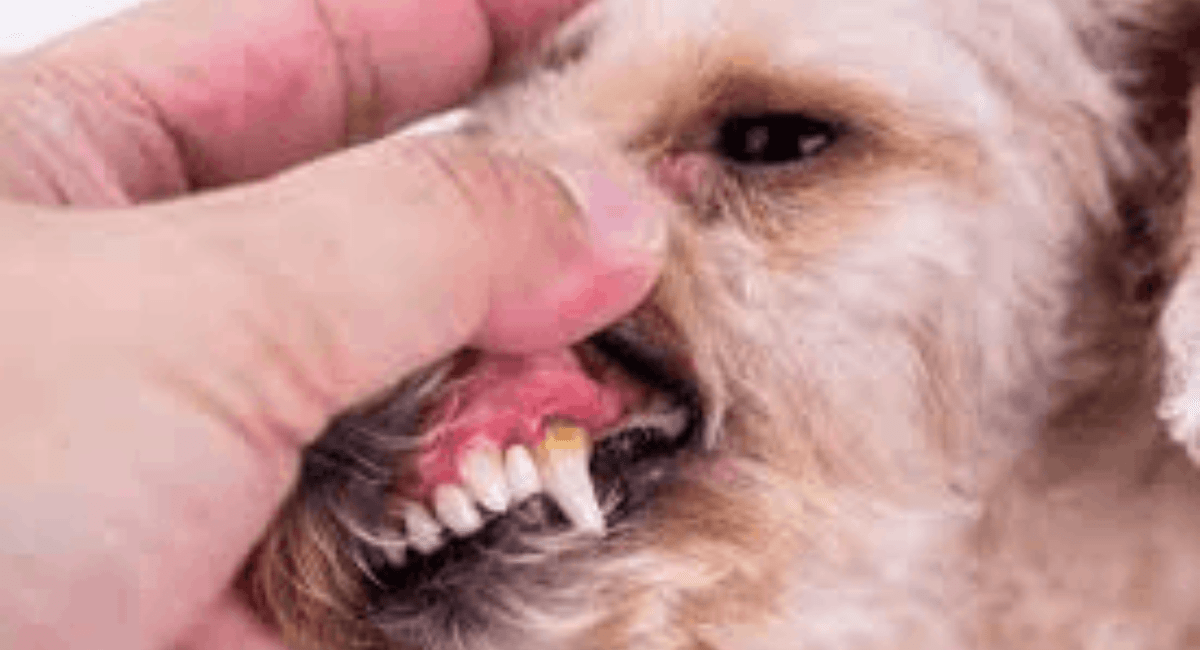
Periodontal disease in dogs often begins quietly, yet it can quickly turn into a serious health concern if ignored. Many pet owners first notice bad breath in dogs, but this is usually a sign of deeper issues like plaque buildup in dogs and early gingivitis in dogs. As bacteria spread, it leads to gum disease in dogs, causing pain and tooth damage.
Without proper dog dental care, the condition may affect vital organs over time. Understanding how this disease develops helps you act early. When you stay alert and follow a simple care routine, you protect your dog’s comfort, health, and overall quality of life.
What Is Periodontal Disease in Dogs and Why It Matters
Periodontal disease in dogs begins quietly. You may only notice bad breath in dogs at first. However, beneath the surface, plaque buildup in dogs hardens into tartar formation, damaging gums and teeth. This common form of gum disease in dogs affects most adult pets in the United States.
If ignored, periodontal disease in dogs spreads beyond the mouth. Bacteria can enter the bloodstream and harm vital organs. Many owners search for symptoms of gum disease in dogs or wonder what happens if dog dental disease is untreated. The answer is simple. It can shorten your dog’s life.
Understanding the Stages
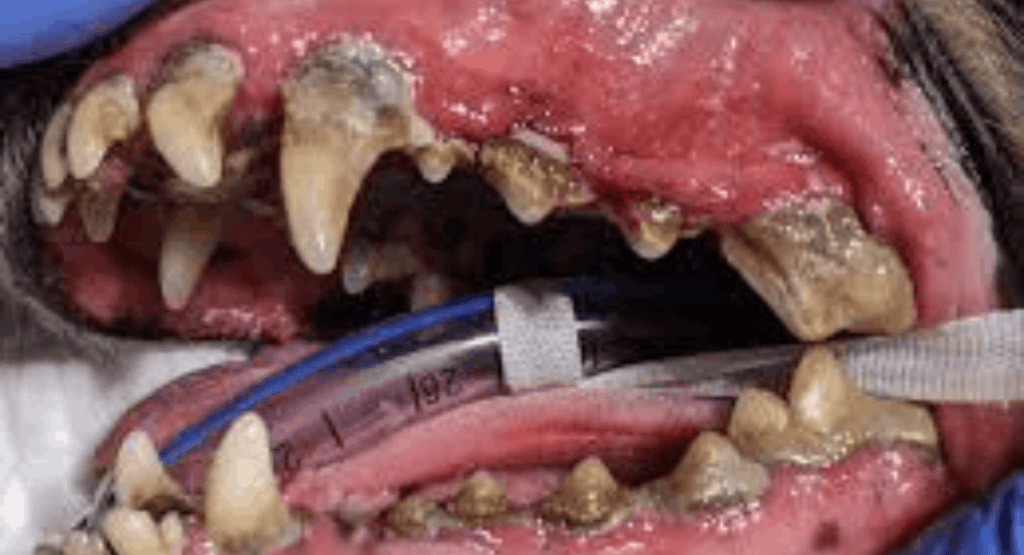
Every case of periodontal disease in dogs follows a clear path. It starts with gingivitis in dogs, where inflamed gums appear red and swollen. At this stage, damage is reversible with proper dog dental care. Many owners miss early signs of gingivitis in dogs, thinking it is harmless.
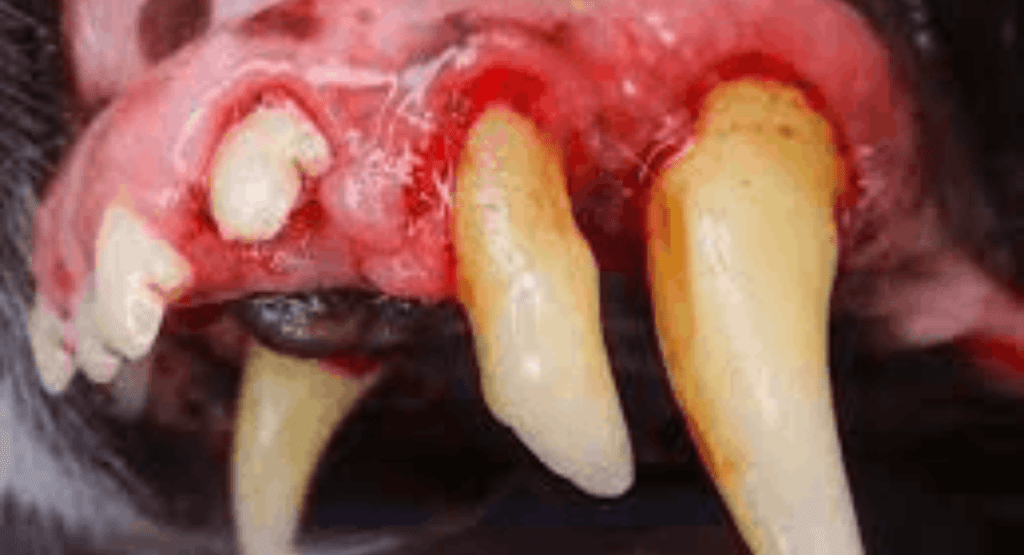
As the disease advances, deeper tissues break down. Bone loss begins, and oral infection in dogs worsens. Owners often ask, can periodontal disease be cured in dogs. Early stages can improve. Late stages need serious periodontitis treatment and sometimes surgery.
Stage Condition Key Sign
1 Gingivitis Red gums
2 Early Periodontitis Mild bone loss
3 Moderate Gum recession
4 Severe Tooth loss
Professional Veterinary Treatment
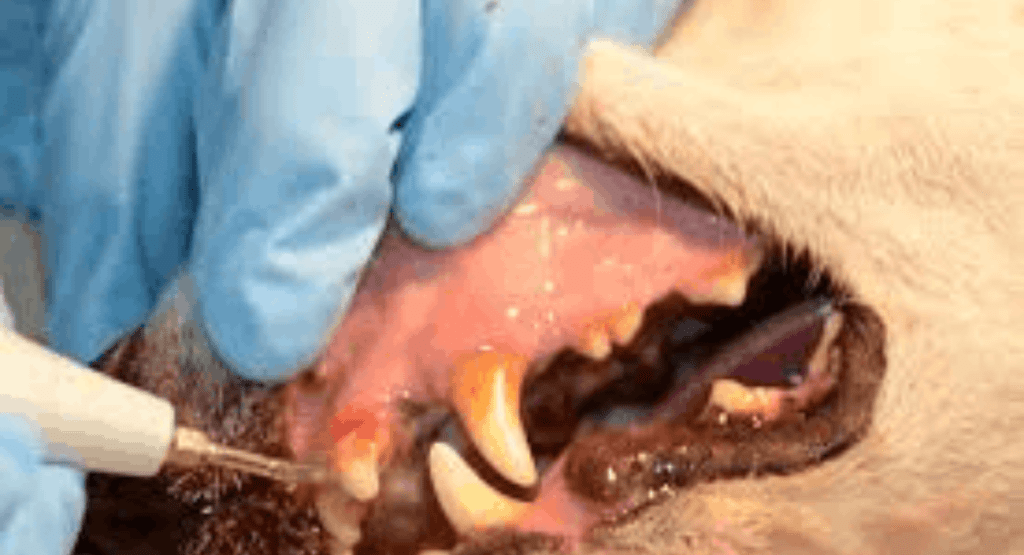
Professional care is the backbone of treating periodontal disease in dogs. A proper veterinary dental cleaning removes bacteria hiding below the gumline. This includes dental scaling and polishing, which smooths teeth and slows future buildup. Many owners search how vets clean dog teeth to understand this process.
Veterinarians often use X-rays to detect hidden damage. In severe cases, tooth extraction in dogs becomes necessary. Owners frequently ask, does my dog need tooth extraction or worry about the cost of dog dental cleaning. While costs vary, early care always saves money long-term.
Treatment Based on Severity
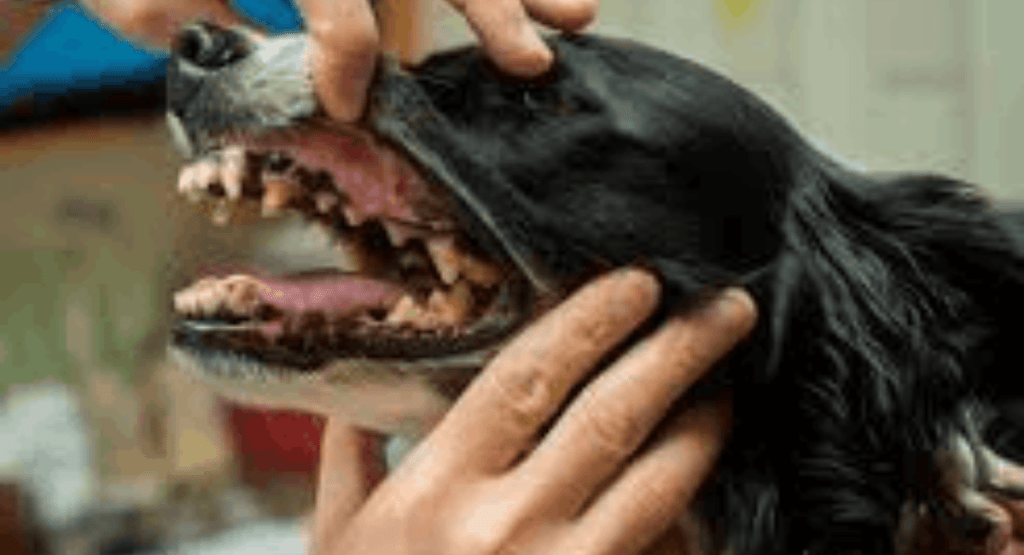
Treatment depends on how far periodontal disease in dogs has progressed. Mild cases respond well to cleaning and a strong dog dental hygiene routine. Moderate cases require deep cleaning beneath the gums, targeting bacteria that standard brushing cannot reach.
Severe disease demands more advanced care. This may include surgery or extractions. Owners often search best treatment for dog dental disease or how to treat periodontal disease in dogs. The truth is simple. Early action prevents complex procedures later.
Medications and Supportive Care
Medication plays a key role in recovery. Antibiotics help control oral infection in dogs, while pain relief keeps your pet comfortable. Many vets also recommend an antiseptic oral rinse to reduce bacteria and support healing.
Supportive care improves results. Anti-inflammatory treatments calm swollen tissue. Owners sometimes explore natural remedies for dog gum disease, but these should support—not replace—professional care. Proper treatment ensures faster healing and prevents relapse.
At-Home Dental Care
Daily habits shape your dog’s oral health. Brushing with a dog toothpaste and toothbrush removes plaque before it hardens. Many owners ask how to brush dog teeth properly, especially when starting with older dogs.
Extra tools can help. Dental chews for dogs reduce buildup, while rinses support hygiene. Owners often search how to remove tartar from dog teeth or explore home care for dog dental disease. Consistency matters more than perfection in long-term care.
Prevention and Regular Checkups
Prevention keeps periodontal disease in dogs from returning. Regular exams support strong canine oral health and detect early issues. Many vets suggest annual visits, though some breeds need more frequent care due to small breed dental problems.
Diet also plays a role. Dry food and safe chews reduce buildup. Owners often ask how often should dogs get dental cleaning or focus on preventing periodontal disease in dogs. The answer is simple. Routine care beats emergency treatment every time.
Pro Tips to Keep Your Dog’s Teeth Healthy Year-Round
Small daily actions create lasting results. Start brushing early, keep routines simple, and watch for warning signs. If your dog avoids food or shows pain, act quickly. Consistent care strengthens preventive dental care and avoids costly treatments later.
Conclusion
Periodontal disease in dogs is common but manageable. With proper dog teeth cleaning, early detection, and consistent care, you can protect your pet’s health. Many owners delay action, but small steps today prevent serious problems tomorrow.
Healthy teeth mean a healthier life. Focus on routine care, trust your veterinarian, and stay informed. When you take periodontal disease in dogs seriously, your dog enjoys more comfort, energy, and years by your side.
Meta Description
Learn about periodontal disease in dogs, its symptoms, treatment options, and prevention tips to keep your dog healthy.
FAQs
Can you fix periodontal disease in dogs?
Yes, early stages can be reversed, but advanced cases can only be managed, not fully fixed.
How long can a dog live with severe periodontal disease?
Dogs can live for years, but untreated disease may shorten lifespan due to organ damage.
What are the 4 stages of periodontal disease in dogs?
Gingivitis, early periodontitis, moderate periodontitis, and advanced periodontitis.
Can periodontitis be treated at home?
Home care helps early stages, but advanced periodontitis needs veterinary treatment.
When is it too late to treat periodontitis?
It’s never too late to treat, but late stages often require tooth extraction.
What kills periodontal bacteria?
Professional cleaning, antibiotics, and antiseptic rinses effectively kill harmful bacteria.
Treatment for stage 4 periodontal disease in dogs?
Treatment includes deep cleaning, extractions, pain relief, and sometimes surgery.
Periodontal disease in dogs treatment at home?
Brushing, dental chews, and oral rinses help manage mild cases and prevent worsening.
Periodontal disease in dogs symptoms?
Bad breath, swollen gums, bleeding, loose teeth, and difficulty eating.
Periodontal disease in dogs reddit?
Reddit discussions vary; always rely on a veterinarian for accurate diagnosis and treatment.
Treatment for stage 4 periodontal disease in dogs cost?
Costs range from $500 to $2,500+ depending on severity and procedures needed.
Severe periodontal disease in dogs treatment?
Requires professional cleaning, extractions, medications, and ongoing dental care.
Can periodontal disease in dogs be cured?
Early stages can be cured; advanced stages can only be controlled.
Periodontal disease in dogs stages?
Four stages: gingivitis to advanced periodontitis with bone and tooth loss.
