


You may suddenly ask, why is my dog vomiting, and feel confused. Dogs vomit for many reasons. Common dog vomiting causes include eating too fast, spoiled food, or stress. Sometimes, simple dog digestive issues or mild dog stomach problems trigger short episodes.
However, not all cases are harmless. If my dog keeps throwing up, you must look deeper. Frequent vomiting can signal serious gastrointestinal problems in dogs. Knowing the reasons dogs vomit helps you react early and protect your dog’s health.
When Is Dog Vomiting Normal?
Sometimes vomiting looks scary but isn’t serious. If you notice dog vomiting but acting normal, it may just be mild irritation. Dogs may vomit after eating grass or due to minor dog digestive issues. These short episodes often pass quickly.
Still, don’t ignore patterns. If you see dog vomiting after eating or dog vomiting at night, observe closely. Occasional vomiting can be normal. However, repeated events may suggest hidden dog stomach problems that need attention.
Signs That Dog Vomiting Is Serious
You should act fast when warning signs appear. If you’re asking when should I worry about my dog vomiting, focus on frequency and behavior. Dog vomiting multiple times in one day is not normal. It may lead to dangerous dog dehydration symptoms.
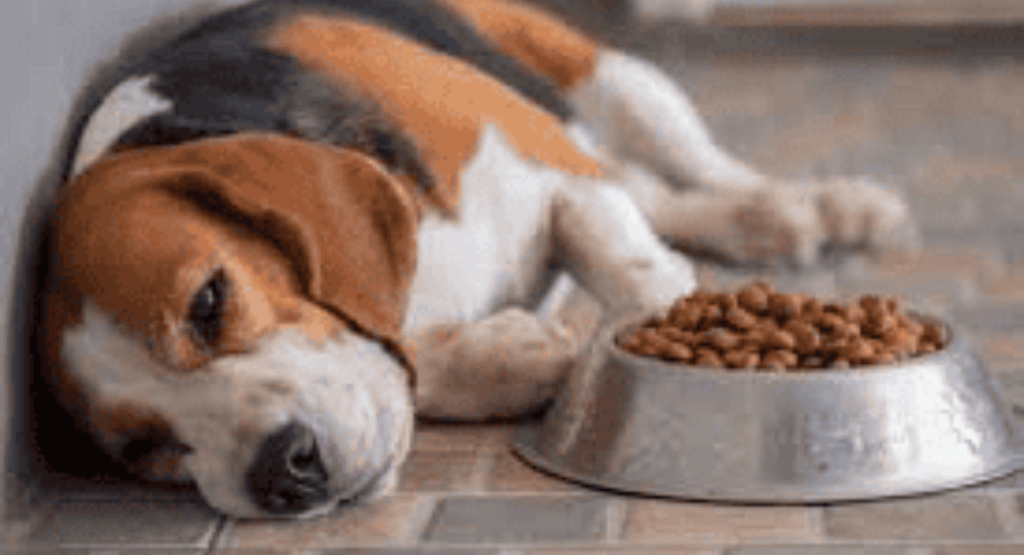
Watch for serious clues like dog vomiting and lethargic or weakness. These are clear signs of serious illness in dogs. Ongoing persistent vomiting in dogs can quickly worsen and should never be ignored.
What the Vomit Looks Like and What It Means
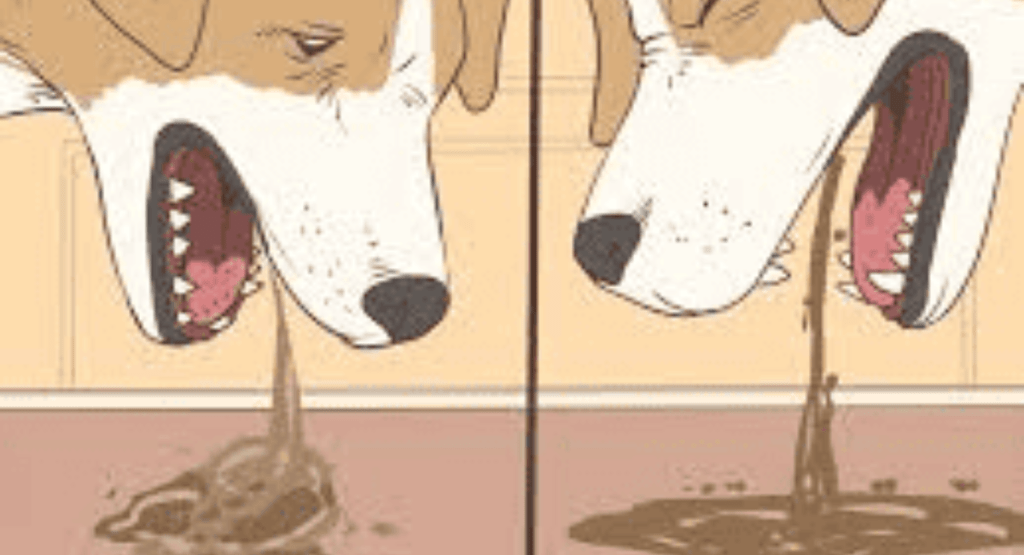
The appearance of vomit tells a story. If you notice dog vomiting yellow bile, it often means an empty stomach. White foam or dog vomiting foam may point to irritation. Each detail matters.
More serious signs include dog vomiting with blood or dark material. These can signal internal bleeding or severe gastrointestinal problems in dogs. Tracking these changes helps you understand what does it mean when a dog vomits.
Vomit Type Possible Meaning
Yellow bile Empty stomach
Foam Irritation
Blood Serious issue
Undigested food Fast eating
Behavior Changes to Watch For
Behavior often reveals hidden problems. If your dog shows dog vomiting and not eating, it may indicate deeper illness. Loss of appetite combined with vomiting suggests serious dog digestive issues.
You may also see dog vomiting and shaking or weakness. These changes often link to infection or pain. When vomiting pairs with behavior shifts, it’s no longer minor. It could signal worsening dog stomach problems.
Vomiting Caused by Foreign Objects
Dogs love to chew and swallow random things. A foreign object in dog stomach can block digestion and cause repeated vomiting. You might notice what to do if dog keeps vomiting becomes urgent in such cases.
Signs include pain, bloating, and no stool. Vomiting may happen without producing anything. This condition is dangerous and can lead to severe dog digestive issues if not treated quickly.
Vomiting Due to Toxins
Toxic substances are a major cause of vomiting. Toxin ingestion in dogs happens when dogs eat chocolate, plants, or chemicals. Symptoms often include vomiting, drooling, and dog vomiting and diarrhea together.
If you suspect poisoning, act fast. You may ask should I take my dog to the vet for vomiting, and the answer is yes. Toxic exposure can worsen quickly and affect vital organs.
Vomiting in Puppies
Puppies are more fragile than adult dogs. Common puppy vomiting causes include infections and diet changes. Their bodies cannot handle dehydration well, making vomiting more dangerous.

If a puppy shows dog vomiting and diarrhea, it could be a serious infection like parvovirus. Early treatment is critical. Even short delays can increase risk, especially with fast dehydration.
Chronic Conditions That Cause Vomiting
Long-term vomiting often points to deeper illness. Chronic vomiting in dogs may result from kidney, liver, or pancreas problems. Conditions like dog kidney disease vomiting or dog liver disease symptoms develop slowly.
You may also notice dog pancreatitis symptoms such as pain and repeated vomiting. These cases require medical testing. Ignoring them can lead to worsening health over time.
When to Call the Vet
Timing matters when dealing with vomiting. If you’re wondering what to do if dog keeps vomiting, don’t wait too long. Vomiting lasting more than 24 hours needs attention.

Emergency signs include dog vomiting blood, weakness, or dehydration. Severe dog dehydration symptoms can become life-threatening quickly. Acting early improves recovery chances.
Conclusion
Understanding dog vomiting when to worry helps you stay prepared. Not all vomiting is dangerous, but patterns matter. Watching symptoms closely gives you control and confidence.
If you’re still asking what can I give my dog for vomiting, remember that proper care starts with the right diagnosis. Quick action and awareness can keep your dog safe, healthy, and happy.
Meta Description
Dog vomiting when to worry? Learn warning signs, causes, and when to see a vet to keep your dog safe and healthy.
FAQs
How many times should a dog throw up before going to vet?
If your dog vomits more than 2–3 times in a day or continues for 24 hours, see a vet.
How do I know if my dog throwing up is serious?
It’s serious if there’s blood, lethargy, dehydration, or vomiting with diarrhea.
What can I give my dog to stop throwing up?
Offer small amounts of water and a bland diet, but consult a vet before giving medication.
What color is parvo throw up?
Parvo vomit is often yellow or clear, usually with severe diarrhea and weakness.
What color is pancreatitis vomit in dogs?
It’s often yellow (bile) and may come with pain and repeated vomiting.
What are signs your dog is going to pass away?
Extreme weakness, loss of appetite, labored breathing, and withdrawal are common signs.
What color is intestinal blockage dog vomit?
It can be yellow, green, or brown and may have a foul smell.
What does a dog do before they pass away?
They may isolate, stop eating, breathe heavily, and show little interest in surroundings.
Dog vomiting treatment at home?
Short fasting, hydration, and bland food like boiled chicken and rice can help mild cases.
Why is my dog throwing up undigested food?
It may be eating too fast or have digestive issues slowing food breakdown.
Dog vomiting when to worry treatment?
Treatment depends on the cause; severe cases need vet care, fluids, or medication.
Puppy vomiting when to worry?
Worry if vomiting is frequent, with diarrhea, or if the puppy becomes weak quickly.
Dog vomiting when to worry home remedies?
Use only mild remedies like fasting and hydration; avoid delaying vet care if symptoms persist.
Why is my dog vomiting yellow?
Yellow vomit is bile, often due to an empty stomach or irritation.
Dog vomit color chart?
Yellow = bile, white foam = irritation, red = blood, brown = possible blockage.
Old dog vomiting when to worry?
In older dogs, vomiting often signals serious conditions like kidney or liver disease, so act quickly.
