

Dog acne may sound unusual, yet it’s a common issue many pet owners face. You might notice small bumps or pimples on dog chin and wonder what’s going on. This condition, often called canine acne, is a mild but irritating dog skin condition that affects young dogs the most. It usually starts due to clogged hair follicles in dogs or bacteria buildup on the skin. If ignored, it can turn into a painful dog skin infection. The good news is that early care makes a big difference. Understanding dog acne helps you keep your pet comfortable and prevent future breakouts easily.
What Is Dog Acne?
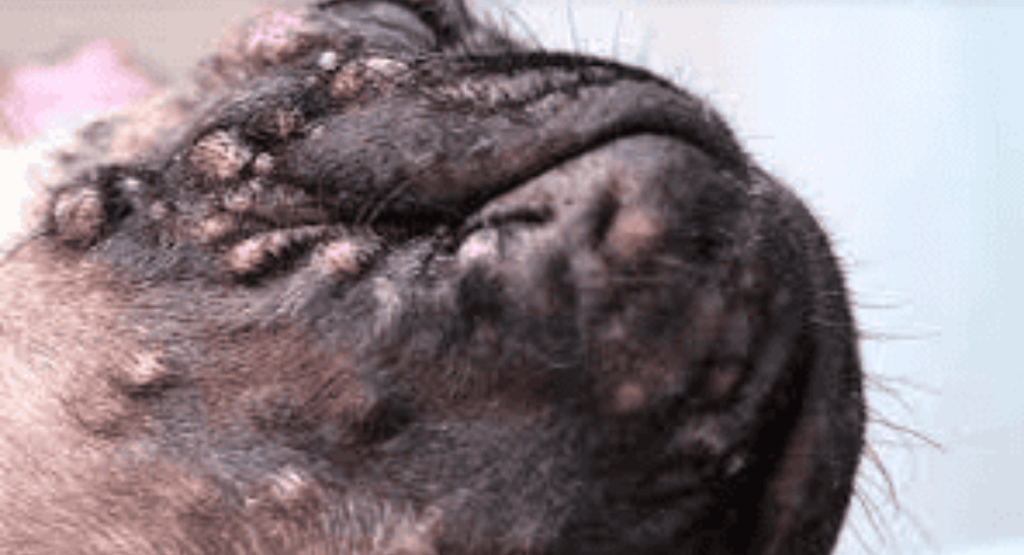
Dog acne may surprise you at first glance. Many owners ask what is dog acne when they notice bumps forming. This common dog skin condition appears as small red spots or pimples on dog chin, often during early growth stages.
You might wonder can puppies get acne, and yes, they often do. This type of canine acne forms due to clogged hair follicles in dogs. Over time, this can lead to irritation. Understanding this helps you manage dog acne before it worsens.
Causes of Dog Acne
Dog acne develops from several everyday factors. Many ask what causes acne in dogs, and the answer includes bacteria, oil buildup, and friction. Dog hormonal changes acne often triggers early breakouts, especially in young dogs.
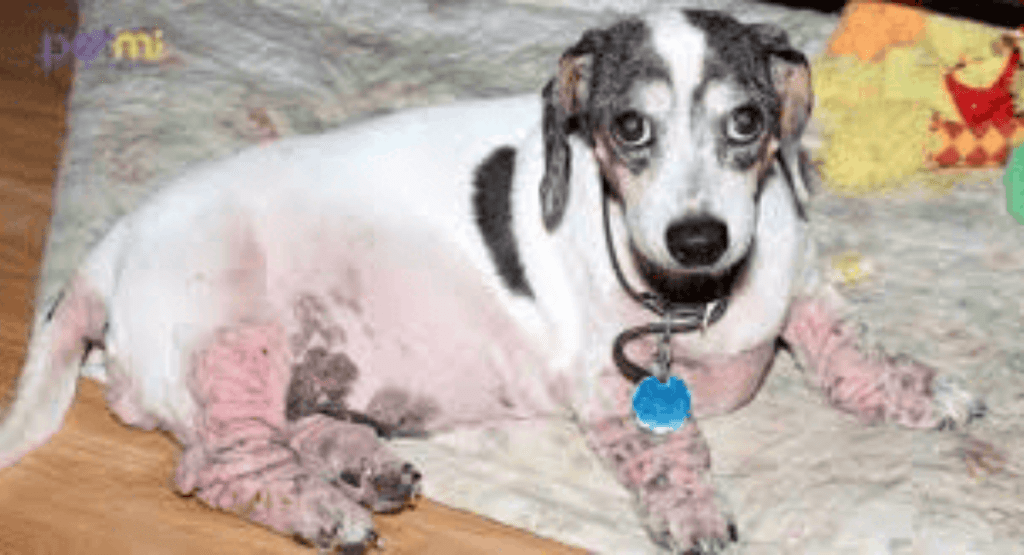
Poor hygiene also plays a role. Plastic dog bowls bacteria can collect quickly and spread infection. Switching to stainless steel dog bowls reduces risk. Some dogs also develop dog allergies skin issues, which increase chances of dog acne flare-ups.
Signs and Symptoms of Dog Acne
Dog acne shows clear warning signs if you look closely. Owners often ask why does my dog have pimples on chin when they notice redness. These bumps may grow into swollen spots with inflammation in dogs skin.
You may also notice dog skin irritation and even a mild dog skin infection in severe cases. Many wonder is dog acne painful, and yes, it can cause discomfort. Early detection of dog acne helps avoid deeper infections.
Treatment Options for Dog Acne
Dog acne treatment depends on severity and care. Many owners search how to treat dog acne at home using simple methods. Cleaning the chin daily helps reduce bacteria and prevents worsening.
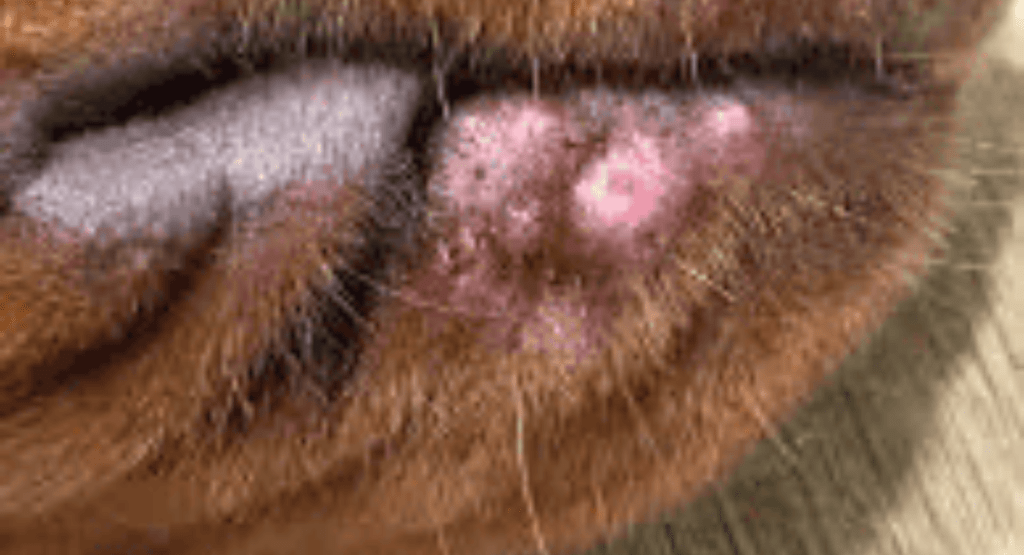
For stronger cases, vets suggest dog antiseptic treatment or medicated dog shampoo. These products reduce infection and soothe skin. Many ask best treatment for dog acne, and proper hygiene combined with treatment works best.
Treatment Method Effect
Cleaning chin Removes bacteria
Medicated shampoo Reduces infection
Vet care Treats severe cases
Prevention Tips for Dog Acne
Dog acne can be prevented with simple habits. Many ask how to prevent dog acne, and the answer starts with daily care. Maintaining proper dog grooming hygiene keeps bacteria away from sensitive areas.
Cleaning food bowls matters more than you think. Dirty surfaces increase risk of dog chin acne. Regular washing and a good dog skin care routine help maintain healthy skin and prevent future dog acne breakouts.
Diet and Skin Health
Dog acne often connects to what your dog eats. Some owners ask can dog food cause acne, and certain ingredients may trigger reactions. Poor diet leads to weaker dog skin health over time.
Balanced nutrition improves skin strength. Healthy food reduces dog allergies skin issues and supports healing. Many also try dog acne home remedies, but diet remains one of the strongest long-term solutions for dog acne.
When to See a Veterinarian
Dog acne sometimes needs expert care. Many ask when to see a vet for dog acne, especially if bumps worsen. If swelling or infection appears, professional help becomes necessary.
You may also wonder how long does dog acne last, and severe cases last longer without treatment. If acne spreads or becomes painful, a vet can provide fast relief and prevent complications linked to dog acne.
Dog Acne vs Other Skin Problems: What You Should Know
Dog acne can look similar to other issues. Some conditions mimic acne but need different care. Learning the difference helps you act correctly.
If unsure, always choose expert advice. Correct diagnosis protects your dog’s skin and overall health.
Conclusion
Dog acne is common but manageable with the right care. Early action prevents discomfort and long-term issues.
With simple habits and attention, your dog can stay healthy and comfortable.
Meta Description
Dog acne causes, symptoms, and treatment. Learn how to get rid of dog pimples fast and keep your dog’s skin healthy.
FAQs
How do I get rid of dog acne?
Keep the area clean, switch to stainless steel bowls, and use vet-approved treatments if needed.
Why is my dog’s skin breaking out?
It’s often caused by clogged pores, bacteria, allergies, or hormonal changes.
How does dog acne look like?
It appears as red bumps, blackheads, or pus-filled pimples, usually on the chin or lips.
Is dog acne contagious to humans?
No, dog acne is not contagious and cannot spread to humans.
What is the silent killer in dogs?
Conditions like heart disease or cancer are often called silent killers because they show late symptoms.
How do I say “I love you” in a dog?
Show affection through gentle touch, eye contact, playtime, and consistent care.
Benzoyl peroxide for dog acne?
Yes, vet-approved benzoyl peroxide products can help reduce bacteria and unclog pores.
Dog acne treatment?
Treatment includes cleaning, medicated shampoos, and sometimes antibiotics from a vet.
Dog acne treatment at home?
Clean the chin daily, use warm compresses, and maintain good hygiene.
Dog acne on chin?
This is the most common area due to food, bacteria, and friction buildup.
Dog acne on body?
Less common, but may occur due to infections, allergies, or skin irritation.
Dog acne wipes?
Antibacterial wipes can help clean the area and reduce breakouts.
Dog acne on head?
Can appear due to irritation or infection, though less frequent than chin acne.
Dog acne on back?
Often linked to allergies, parasites, or skin infections rather than typical acne.
