
Cat Health and Development: The Complete Guide to Raising Healthy, Happy Cats
Caring for a cat goes beyond feeding and shelter. Understanding cat health and development helps you support every stage of your pet’s life with confidence. From early growth to aging years, each phase requires proper cat care, attention, and consistency. A strong foundation in feline health ensures your cat stays active, comfortable, and disease-free.
Good habits like balanced feeding, regular checkups, and a clean
improve overall well-being. When you focus on pet wellness, you build a deeper bond with your cat. This journey is not just about survival. It’s about helping your cat truly thrive every single day.
Introduction to Cat Health & Development
Understanding cat health and development helps you raise a strong and happy pet. Every stage shapes your cat’s future. From early kitten stage days to aging years, each phase needs proper cat care and attention. A good start builds lifelong feline health and supports better pet wellness.
In the USA, many indoor cats live longer but need extra care. Your pet environment plays a big role. Clean spaces, safe toys, and proper pet hygiene matter daily. When you focus on animal health management, you support both body and mind.
Early Development: Kitten Stage (0–6 Months)
The kitten stage is fast and fragile. During this time, kitten development shapes the brain and body. Strong physical growth depends on early cat nutrition and a balanced diet rich in high-quality protein. This stage also builds the cat immune system, which protects against illness.
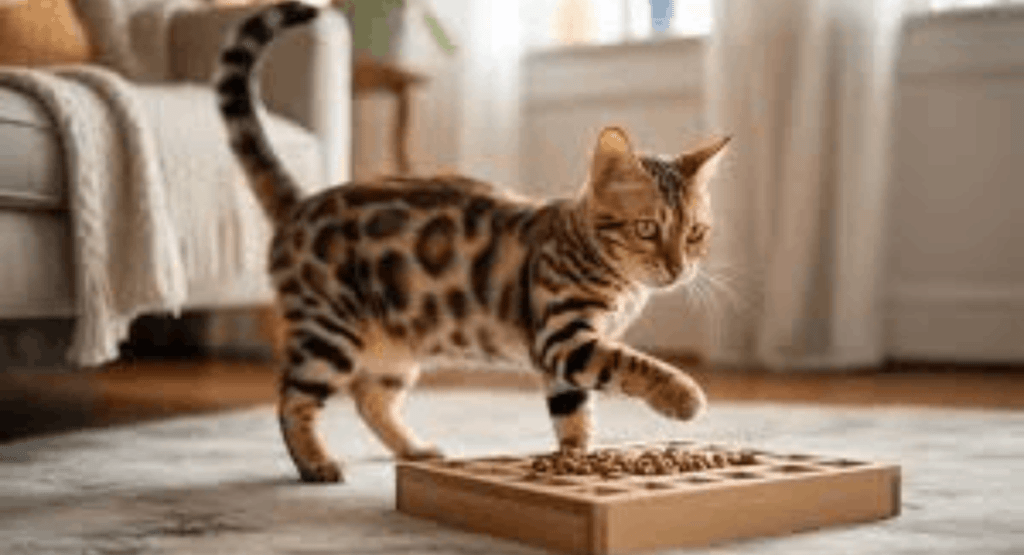
Early cat vaccination protects kittens from serious feline diseases like feline distemper, calicivirus, and herpesvirus. Regular veterinary care ensures safe growth. Gentle handling improves behavioral development and healthy cat behavior, helping your kitten trust people.
Key Need Why It Matters
Nutrition Supports growth and energy
Vaccines Prevent deadly diseases
Socialization Builds confidence
Hygiene Reduces infection risk
Juvenile Stage (6 Months–2 Years)
The juvenile stage brings energy and curiosity. Your cat becomes playful and active. Proper cat growth stages care keeps development on track. Regular play supports mental stimulation and prevents early pet obesity and neurological disorders in cats, which is common in the USA.
This is the right time for spaying and neutering. It improves health and reduces unwanted behavior. A proper feline diet and routine veterinary check-ups maintain strong health. Good habits formed now shape long-term pet ownership success.
Adult Stage (2–10 Years)
Adult cats are stable yet still need attention. Maintaining cat health and development during this phase is key. A steady balanced diet and controlled portions prevent diabetes in cats and other chronic conditions. Daily activity supports healthy weight and improves overall feline wellbeing.
Focus on dental care for cats to avoid dental disease. Routine veterinary care helps detect problems early. Clean living spaces and proper cat grooming improve comfort. A structured pet care routine keeps your cat active and happy.
Health Focus Action
Weight Controlled feeding
Teeth Regular cleaning
Activity Daily play
Checkups Annual exams
Senior Stage (10+ Years)
As your cat enters the senior cats phase, changes appear slowly. Cat aging may bring stiffness, less activity, and health risks. Proper senior cat care focuses on comfort and early detection of problems like kidney disease and hyperthyroidism.
Older cats need softer food and easy movement. Adjust your home to support mobility. Frequent veterinary check-ups help manage chronic conditions. Gentle care improves emotional well-being and keeps your pet relaxed.
Common Health Issues in Cats
Many cats face health challenges during life. Poor habits can lead to pet obesity, infections, cat pee smell or long-term illness. Issues like respiratory infections, dental disease, parasites and cats with diabetes are common without proper parasite control and hygiene.
Regular flea and tick control protects your cat from harm. Strong cat immune system support reduces risk of illness. Early signs like low energy or appetite changes should never be ignored.
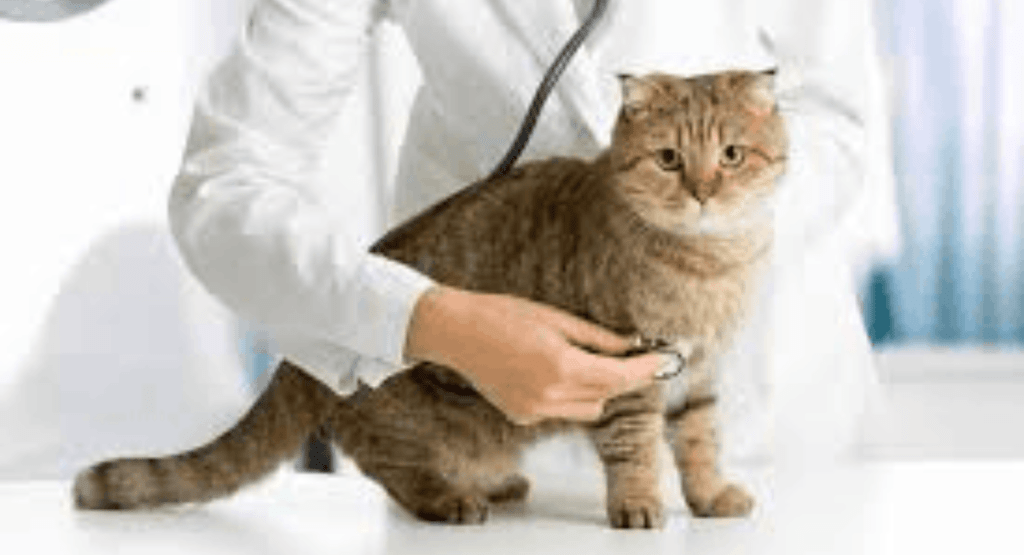
Common Issue Cause Prevention
Obesity Overfeeding Portion control
Dental Disease Poor hygiene Teeth cleaning
Parasites Outdoor exposure Preventive care
Infections Weak immunity Vaccination
Mental and Emotional Well-being
Cats need more than food and shelter. Strong mental stimulation keeps them alert and active. Toys, climbing spaces, and interaction improve cat behavior and reduce stress.
A calm home supports emotional well-being. Changes in routine can affect mood. Spend time with your cat daily. A happy cat shows better behavioral development and stronger bonds.
Cat Nutrition and Diet Essentials
Good food is the base of cat health and development. A proper feline diet includes protein, vitamins, and minerals. Fresh water is always important for hydration and organ health.
Choosing the right pet nutrition helps prevent disease. Wet food supports hydration, while dry food helps teeth. Mixing both can improve balance and support long-term pet wellness.
Food Type Benefit
Wet Food Hydration
Dry Food Dental support
Mixed Diet Balanced intake
Preventive Care for Lifelong Cat Health & Development
Prevention saves lives. Regular cat vaccination protects against deadly illness like cat hairballs. Routine veterinary care ensures early detection of disease.
Simple habits like grooming, cleaning, and checkups improve pet hygiene and overall health. Strong preventive care builds a longer, healthier life and supports total animal health management.
Indoor vs Outdoor Cats: Impact on Health & Development
Many owners prefer indoor cats for safety. Indoor living reduces risk of accidents and disease. However, it requires more enrichment and attention to avoid boredom.
Outdoor cats enjoy freedom but face risks. A safe balance is key. Improving your cat lifestyle with toys and climbing spaces helps indoor cats stay active and healthy.

Conclusion
In the end, cat health and development depends on your daily care and attention. Each life stage needs proper nutrition, routine care, and emotional support.
When you focus on feline wellbeing, you give your cat a longer and happier life. Smart choices today create a strong future for your pet.
Meta Description
Learn cat health and development tips to improve feline care, nutrition, growth stages, and lifelong wellness for your cat.
FAQs
Cat life stages behavior?
Kittens are playful and curious, adults are calm and independent, while senior cats become less active and seek comfort.
Cat development stages first year?
The first year includes rapid growth from newborn to kitten, then juvenile stage with high energy and learning.
Female cat life stages behavior?
Female cats show nurturing behavior, may become vocal during heat, and are calmer after spaying.
Life cycle of a cat stages?
Kitten, juvenile, adult, and senior are the four main stages in a cat’s life cycle.
Cat care tips for beginners?
Provide proper food, clean water, regular vet visits, and a safe, clean environment.
Cat growth chart by month?
Kittens grow fastest in the first 6 months, gaining weight weekly, then growth slows after 6–12 months.
Cat growth and development?
Cats develop physically and behaviorally through stages, requiring proper nutrition and care at each phase.
Cat life cycle information?
A cat’s life cycle includes birth, growth, maturity, aging, and requires lifelong care for health and well-being.