

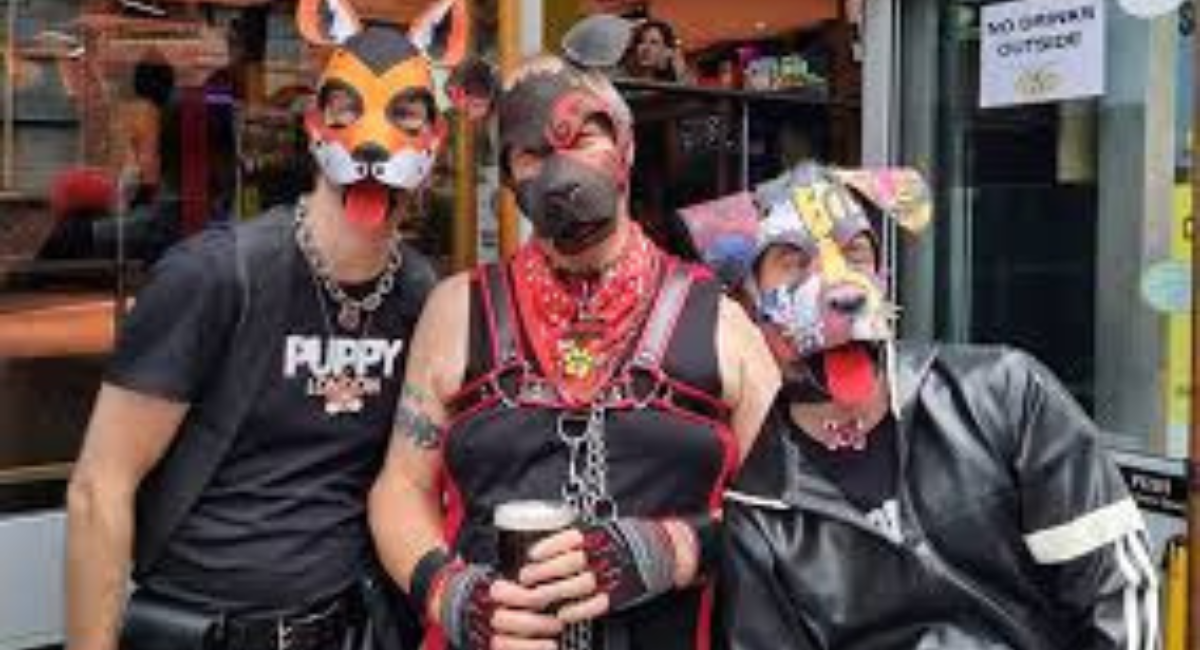
Pet play is a form of role-playing where people take on the behaviors and mindsets of animals in a safe, agreed-upon setting. It often appears in certain adult communities, yet many people practice it for emotional comfort, relaxation, or stress relief activities rather than anything sexual.
In this style of animal role-playing, one person may act as the pet while another takes a guiding role, creating playful or structured interactions. For some, it becomes a tool for identity exploration and playful creativity, helping them step away from daily pressure. At its core, pet play focuses on trust, imagination, and personal expression within clearly agreed boundaries.

Different Motivations for Pet Play
People enter pet play for many reasons. Some want stress relief after long workdays. Others enjoy imaginative expression or alternative relationship dynamics. For some, the pet role provides emotional comfort and a safe space. This experience is common in certain adult subculture scenes that support consensual kink.

Another strong motivation is identity and personal growth. Many participants use pet play to explore feelings without pressure. The owner, handler, or trainer may guide the pet gently. These symbolic relationship titles help define roles. They also build trust and communication between people.
Common Elements of Pet Play
Most pet play scenes share similar features. The pet may act out animal mannerisms like crawling or purring. The owner or handler may guide behavior. This behavioral role-play can feel playful or calming. Many people also use pet play accessories like collars and leashes or soft gear.
These tools are symbols, not signs of real ownership. A collar or leash simply shows a role. The focus remains on consent and boundaries. Clear communication keeps everyone safe. Many couples also use safe words to stop activities if needed.
Common Element Purpose in Pet Play
Collar or leash Symbol of role or connection
Commands or tricks Builds structure and trust
Pet name Creates identity and comfort
Safe word Stops activity instantly
Aftercare Provides emotional support
Types of Pet Play
Different forms of pet play reflect different personalities. Puppy play focuses on loyalty and fun. Kitten play highlights curiosity and independence. Pony play often involves more structure and physical activity. Some people enjoy fantasy creature role-play or fantasy play with mythical traits.
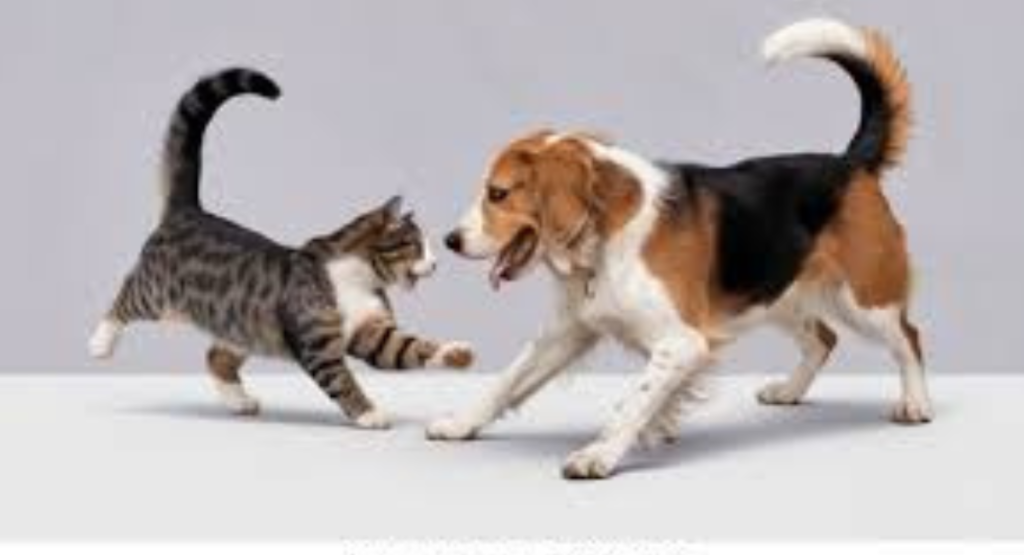
Each style offers a unique emotional tone. Puppy play often includes playfulness and affection. Kitten play may involve quiet comfort and soft movements. Pony play sometimes includes training or performance. These variations show how wide the role-play culture can be.
Communication and Consent
Healthy pet play always begins with communication. Every participant discusses limits before any scene starts. Clear consent and boundaries protect both the pet and the owner. Many people agree on safe words or signals. These tools stop the activity at once.
Trust grows when people talk openly. A strong power exchange needs honesty. The dominant partner must respect the submissive partner’s limits. Good communication also includes aftercare. After a session, both people check in and share feelings.
Community and Social Aspects
Many people discover pet play through online communities. These spaces teach safety and etiquette. Some cities host community gatherings and social meetups. These events often focus on games, learning, and friendship rather than sexual activity.

In the United States, some conventions welcome pet play groups. These meetups create safe places for expression. They also support people living alternative lifestyles. Many attendees describe a strong sense of community and acceptance.
Misconceptions
Many outsiders believe pet play is always sexual. This is one of the most common misconceptions. In reality, many participants use it for emotional comfort or relaxation. It often looks more like playful acting than intense kink scenes.
Another myth says the pet loses control. Healthy pet play always respects consent and personal choice. The pet can stop at any time. Good relationship dynamics depend on respect, not control.
Conclusion
Pet play is a flexible form of role-playing built on trust and imagination. Some use it for stress relief. Others explore identity or creativity. Across many adult subcultures, it remains a personal choice shaped by communication, respect, and shared comfort.
Meta Description
What is pet play? Learn its meaning, types, motivations, and how consent and communication shape safe pet play dynamics.
FAQs
Why do people do pet play?
People do pet play for emotional comfort, stress relief, identity exploration, or as part of consensual relationship dynamics.
What are some examples of pet play?
Common examples include puppy play, kitten play, pony play, and fantasy creature role-play.
Is pet play and furry the same thing?
No, pet play is role-playing as an animal, while the furry community focuses on anthropomorphic animal characters and art.
What is the psychology behind pet play?
It often involves stress relief, emotional expression, and the comfort of simplified roles built on trust and communication.
What is the 3-3-3 rule with dogs?
It refers to adjustment stages: 3 days to decompress, 3 weeks to learn routines, and 3 months to feel at home.
What are the psychological causes of horniness?
Hormones, attraction, emotional bonding, stress, curiosity, and environmental cues can all influence sexual desire.
Which gender is more hornier?
Desire varies widely by individual, though studies often show men report higher average sexual desire.
What age is horniness highest?
Sexual desire often peaks in late teens to early twenties, though it differs by person and life stage.
What are common female turn-ons?
Emotional connection, confidence, kindness, communication, and feeling safe or desired are often cited factors.
What does cobbing mean for a dog?
Cobbing is when a dog gently nibbles with its front teeth, often as a sign of affection or playfulness.
How can I tell if my pet enjoys pet play?
Look for relaxed body language, wagging tail, play signals, and eagerness to engage without signs of stress.
What is the 150 rule for dogs?
It suggests dogs can remember about 150 words, gestures, or commands when properly trained.
What is a red flag dog’s behavior?
Repeated aggression, excessive fear, constant growling, or refusal to interact can signal behavioral issues.
How long does 1 hour feel to a dog?
Dogs don’t perceive time like humans, but an hour can feel longer due to their focus on routine and environment.
